This programme equips students to expertly integrate Occupational therapy theory and practice, preparing them to practise occupational therapy across diverse healthcare and educational settings. It ensures eligibility to apply for registration as a Registered Occupational Therapist in Hong Kong. We cultivate essential interpersonal, critical thinking, and problem-solving skills while fostering cultural awareness, empowering graduates to advocate for community health and wellness.

Bachelor of Science (Honours) in Occupational Therapy
Programme Description
This programme equips students to master ethical and professional standards, providing competent, safe Occupational therapy across all ages and settings. Students learn to apply foundational knowledge, critically understand person-environment-occupation relationships, and integrate research into practice. We develop critical thinking, bilingual communication, and teamwork skills for effective interdisciplinary collaboration. The curriculum fosters appreciation for cultural diversity and community values, ensuring eligibility for professional Occupational Therapy registration in Hong Kong and advocacy for community wellness.
Programme Objectives
- To equip students with the ability to integrate theory and practice in occupational therapy.
- To practise occupational therapy in different health care and educational settings.
- To enable students’ eligibility to apply for registration as Registered Occupational Therapists with the Occupational Therapists Board, the Supplementary Medical Professions Council of Hong Kong.
- To advocate health and wellness for all people in the community
- To enhance students’ interpersonal skills, including teamwork and communication skills.
- To foster students’ awareness and appreciation of cultural diversity.
- To develop students’ critical and creative thinking as well as analytical and problem solving skills.
Mode Of Study
| Mode Of Study | |
|---|---|
| Medium of instruction | English |
| Total no. of credits | 136 credits |
| JUPAS catalogue no. | JSST04 |
HKDSE applicants should submit applications through the Joint University Programmes Admissions System (JUPAS). There are NO self-financing places for this programme.
Programme Leader
Dr. Calvin Chi Kong YIP
Email: calvinyip@twc.edu.hk
- Doctor of Philosophy, Department of Rehabilitation Sciences, The Hong Kong Polytechnic University
- Master of Science in Epidemiology and Biostatistics, Faculty of Medicine, The Chinese University of Hong Kong
- Bachelor of Science in Occupational Therapy, Department of Rehabilitation Sciences, The Hong Kong Polytechnic University
- Registered Occupational Therapist Part I (Hong Kong Occupational Therapy Board)
QF Information
| QF Information | |
|---|---|
| QF level | 5 |
| QR registration no. | 13/000313/L5 |
| Registration validity period | 01/09/2013 to 31/08/2030 |
Language Courses
| Language Courses |
|---|
| Chinese Language Elective 1 |
| Enhancing Academic English Skills |
| Developing English Language Skills |
| English for Healthcare Professionals |
Discipline Courses
| Discipline Courses |
|---|
| Ageing and Diseases |
| Enabling Occupation - Health Care III |
| Analyzing Occupational Performance |
| Enabling Occupation – Productivity |
| Anatomy and Physiology |
| Essential Pathophysiology for Occupational Therapist |
| Applied Research Methodology in Rehabilitation Science |
| Essential Psychopathology for Occupational Therapist |
| Basic Neurosciences |
| Ethical and Legal Aspects of Rehabilitation |
| Capstone Project |
| Functional Human Anatomy |
| Clinical Education IA |
| Health Service Management for Rehabilitation Professions |
| Clinical Education IB |
| Human Development Across Lifespan |
| Clinical Education II |
| Introduction to Chinese Medicine (中醫學導論) |
| Clinical Education III |
| Introduction to Psychology |
| Clinical Education IV |
| OT Theory and Process I |
| Enabling Occupation – Ageing and Wellness |
| OT Theory and Process II |
| Enabling Occupation – Child and Education I |
| Psychosocial Dimensions of in Healthcare Practice |
| Enabling Occupation – Child and Education II |
| Therapeutic Communication |
| Enabling Occupation – Health Care I |
| Adaptive and Assistive Technology |
| Enabling Occupation - Health Care II |
| OT in Traumatology – Evidence-based Practice |
| Primary Health Care Approaches in Occupational Therapy |
General Education (GE) Courses
| General Education (GE) Courses |
|---|
| Introduction to Statistics |
| + 2 courses from the College’s GE course list |
| The Development and Operation of Non-profit Organizations |
Remarks: The programme structure listed above is for reference only. For details, please consult the School concerned or refer to the Programme Definitive Document.
Year 1 Entry
For Year 1 entry, applicants should meet one of the following requirements:
- (HKDSE candidates from 2024/25 onwards) Have obtained Level 3 for Chinese Language and English Language and Level 2 for Mathematics and have “Attained (A)” for Citizenship and Social Development plus one Elective/Applied Learning Subject at Level 2 (“332A+2”) in HKDSE; OR
- (HKDSE candidates before 2024/2025) have obtained Level 3 for Chinese Language and English Language and Level 2 for Mathematics and Liberal Studies plus one Elective/Applied Learning Subject at Level 2 (“3322+2”) in HKDSE; OR
- Have passes in AS Use of English and AS Chinese Language and Culture plus one AL subject/two AS subjects in HKALE and Level 2 for Chinese Language and English Language plus passes in three other subjects in HKCEE; OR
- Have obtained the International Baccalaureate (IB) Diploma* with a minimum score of 24 and fulfilled the English language requirements:
- English A: Language and Literature (Higher or Standard Level) – Grade 4; or
- English A: Literature (Higher or Standard Level) – Grade 4; or
- English B (Higher Level) – Grade 4; or
- English B (Standard Level) – Grade 5; or
- English Literature and Performance (Standard Level) – Grade 4; or
- English Text and Performance (Standard Level) – Grade 4; OR
- Have obtained an equivalent qualification(1).
Notes:
- Please refer to the College’s website for examples of equivalent non-local qualifications for admission to bachelor’s degree programmes.
Programme Specific Requirements
- Preference will be given to applicants who have obtained Level 3 or above in Biology or Combined Science (Biology)* in HKDSE.
- Preference will be given to applicants who have obtained Level 4 or above in English Language in HKDSE.
- Preference for interview invitation will be given to selected candidates who place the programme as their Band A choices in JUPAS
* Obtained before 2024 HKDSE.
First Year Entry
| Year | Tuition Fee (HK$) |
|---|---|
| Year 1 | $84,580 |
| Year 2 | $84,580 |
| Year 3 | $84,580 |
| Year 4 | $84,580 |
| Programme Total | $338,320 |
Notes
- Tung Wah College will adjust the tuition fee of its programmes based on the Composite Consumer Price Index to be announced by the Government annually.
- Tuition fees are normally charged by two instalments per annum and are payable before the commencement of each semester. New students are required to settle the balance of the tuition fee for the first semester (i.e. after deducting deposit) upon programme registration in August.
- Students are required to pay additional fees for all retake/additional courses which would be charged at the rate of the normal cohort and be calculated by the number of credits to be taken. Please refer the details in the College’s Fees Regulation at https://www.twc.edu.hk/en/Administration_Units/fo/our_service/student-area.
- The tuition fee for the programme under the Study Subsidy Scheme for Designated Professions/Sectors (SSSDP) is the net fee paid by a student after deduction of subsidy from the Government. In 2026/27 academic year, the annual subsidy under the SSSDP is $81,450 for laboratory-based undergraduate programmes. The annual subsidy amount may vary in each academic year subject to the decision by the Education Bureau.
- All fees paid are non-refundable and non-transferable.
- Following the Government's announcement on 31 July 2025 regarding the revised eligibility criteria for government-subsidised post-secondary student places and subsidies, the new arrangements will take effect from the 2027/28 academic year (with the application cycle commencing in October 2026). Students will be required to pay the non-subsidised tuition fees if they do not meet the updated eligibility criteria for government subsidies.
- For more details about the College's tuition fee payment schedule and fees regulation, please refer to the "Tuition Fee Payment Schedule" and "Fees Regulation" at https://www.twc.edu.hk/en/Administration_Units/fo/our_service/student-area.
* Students may apply for the Training Sponsorship Scheme offered by the Social Welfare Department in their final year of study.
Professional Recognition
- The programme has received accreditation from the Occupational Therapists Board of the Allied Health Professions Council (AHPC) (previously known as Supplementary Medical Professions Council (SMPC)) in June 2017.
- Graduates are eligible to apply for registration as Occupational Therapists “職業治療師” (Part II) for practice in Hong Kong.
- The programme is also approved by the World Federation of Occupational Therapists (WFOT). Graduates are recognized as meeting the international standard for education of Occupational Therapists.
Training Sponsorship Scheme (TSS)
- The Social Welfare Department offered a Training Sponsorship Scheme to the final year OT students.
- BSc(OT) students in their final year of study may apply for the Training Sponsorship Scheme.
- The objective of the Scheme is to encourage graduates of the TWC BSc(OT) Programme to join the welfare sector, so as to alleviate the shortage of OT in the welfare sector.
- A tuition fee of no more than HKD300,000 will be covered by the scheme, with the condition that the sponsorship holder shall undertake to work for the NGO in Hong Kong for not less than two consecutive years after successful Registration as OT for practice in Hong Kong.
Career Prospects and Further Studies
- Graduates can provide occupational therapy services to clients with diverse conditions in hospitals, social service settings, schools, private clinics, nursing homes, and in the community.
- The well-balanced curriculum of the programme enhances the opportunity of the graduates for further study in local and overseas postgraduate programmes in occupational therapy, rehabilitation sciences, health and medical sciences, social sciences, and healthcare management.
Graduate Profile and Employment Pathway
Please click “Graduate Profile and Employment Pathway” for details.
Student development programme in USC University of Southern California
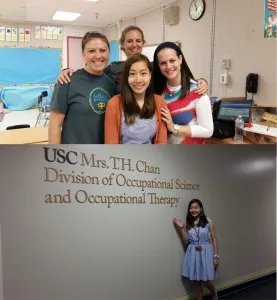
Our Year 3 Student participated in a wonderful 28-day Summer Occupational Therapy Immersion (SOTI) programme held by USC University of Southern California
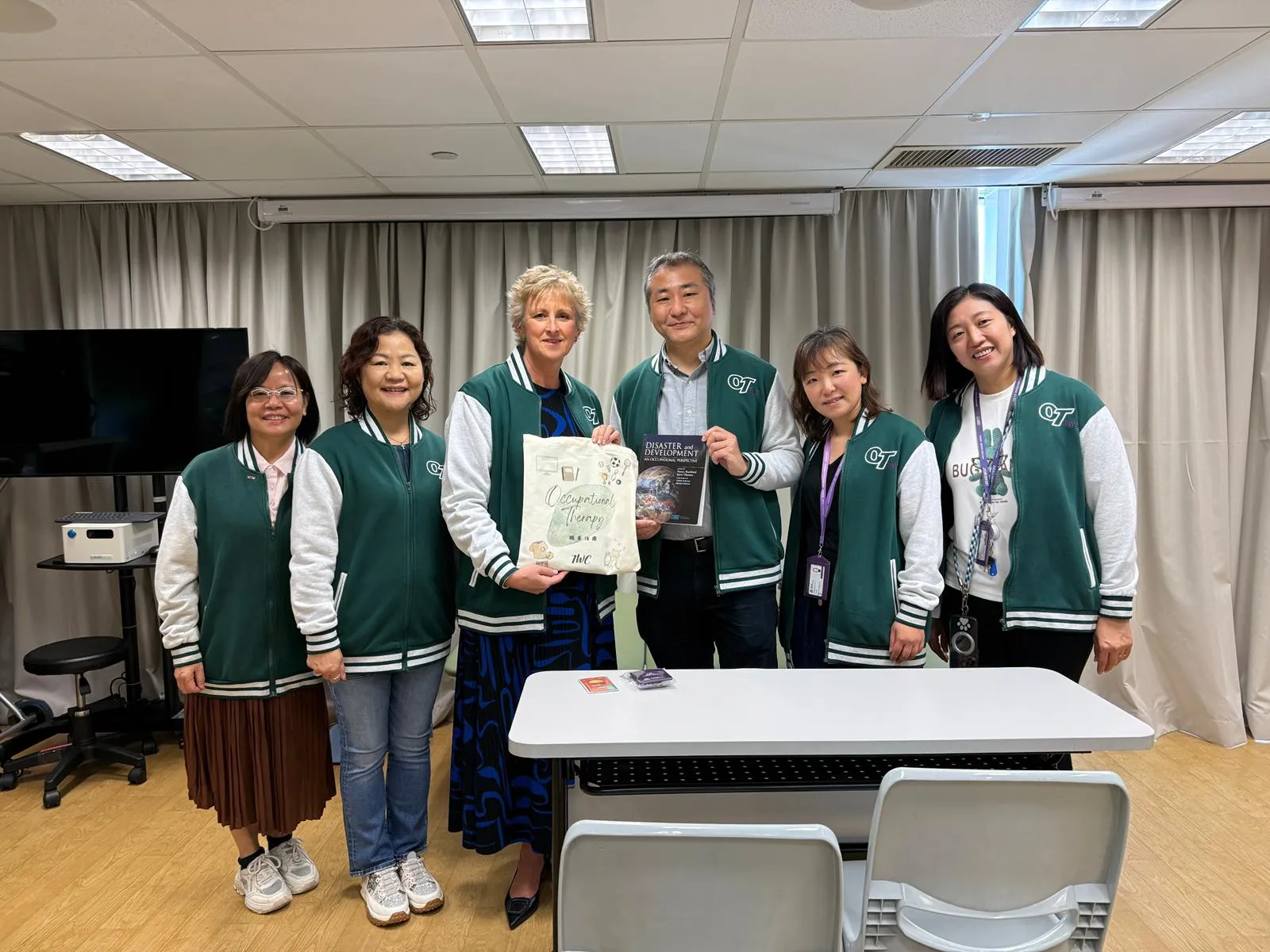
World Federation of Occupational Therapists (WFOT) President’s Visit
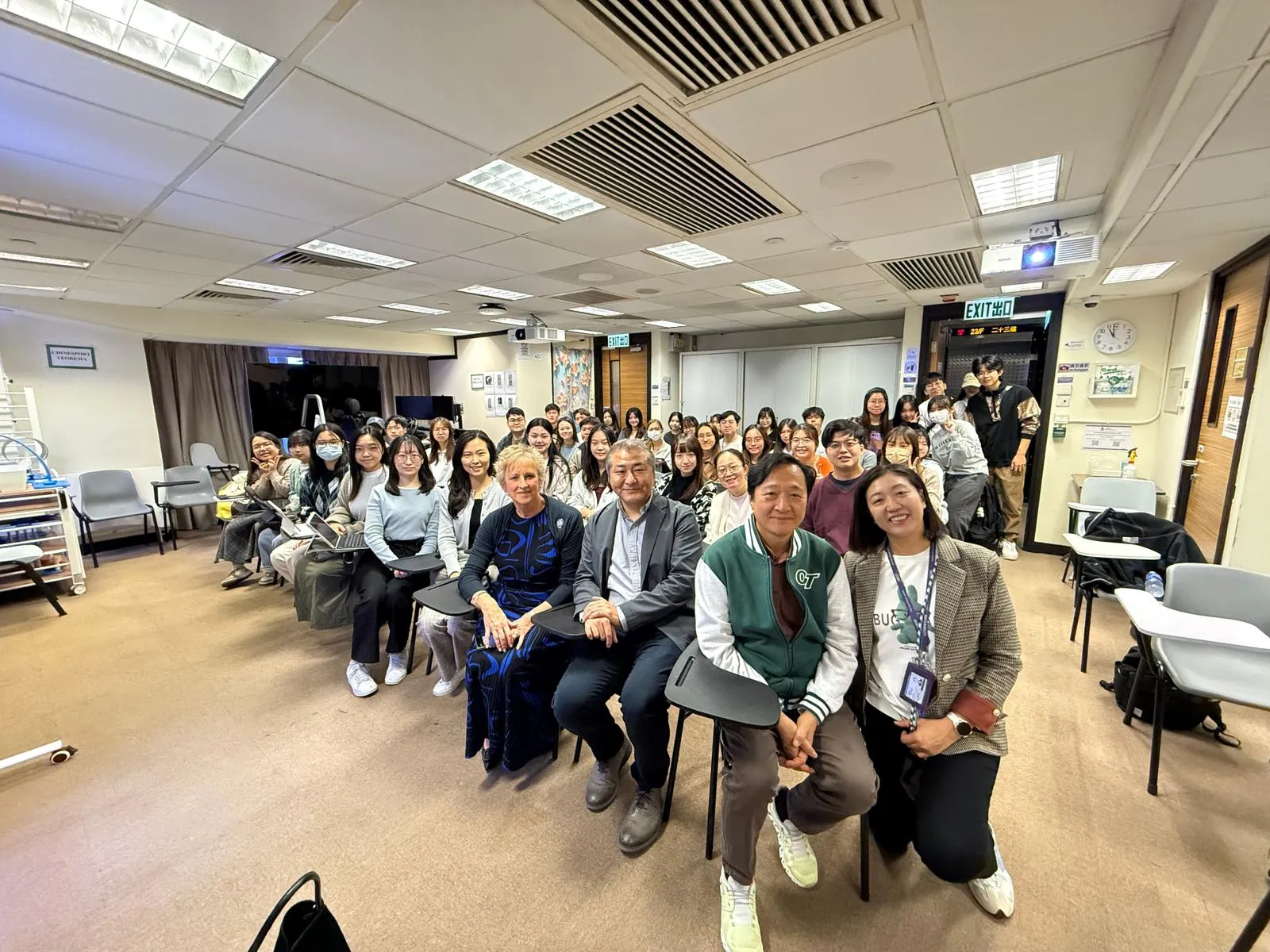
The WFOT President visited our campus, toured advanced laboratories, and engaged in an interactive exchange session with faculty and students, fostering collaboration and sharing insights on occupational therapy education and global practices.
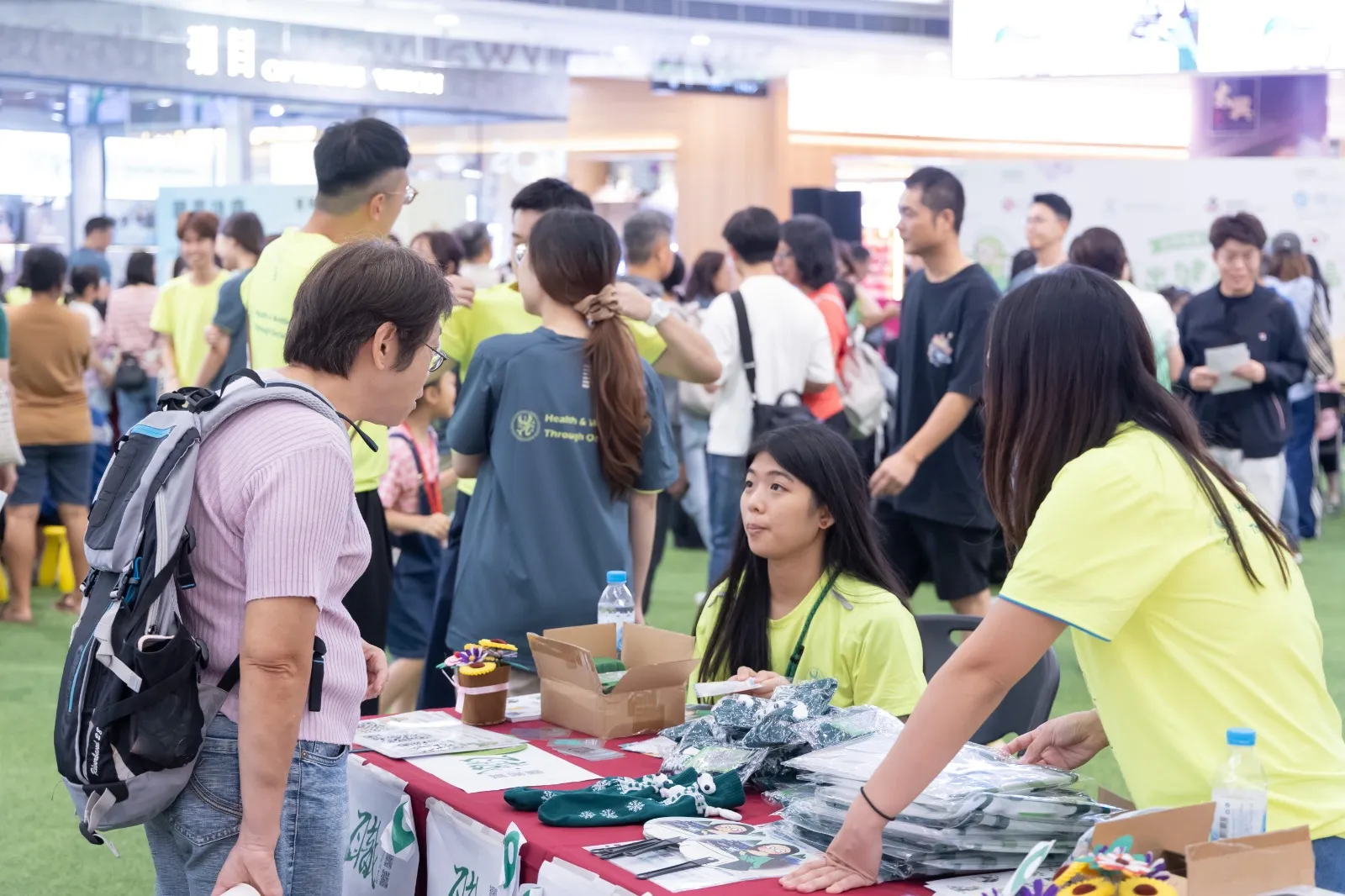
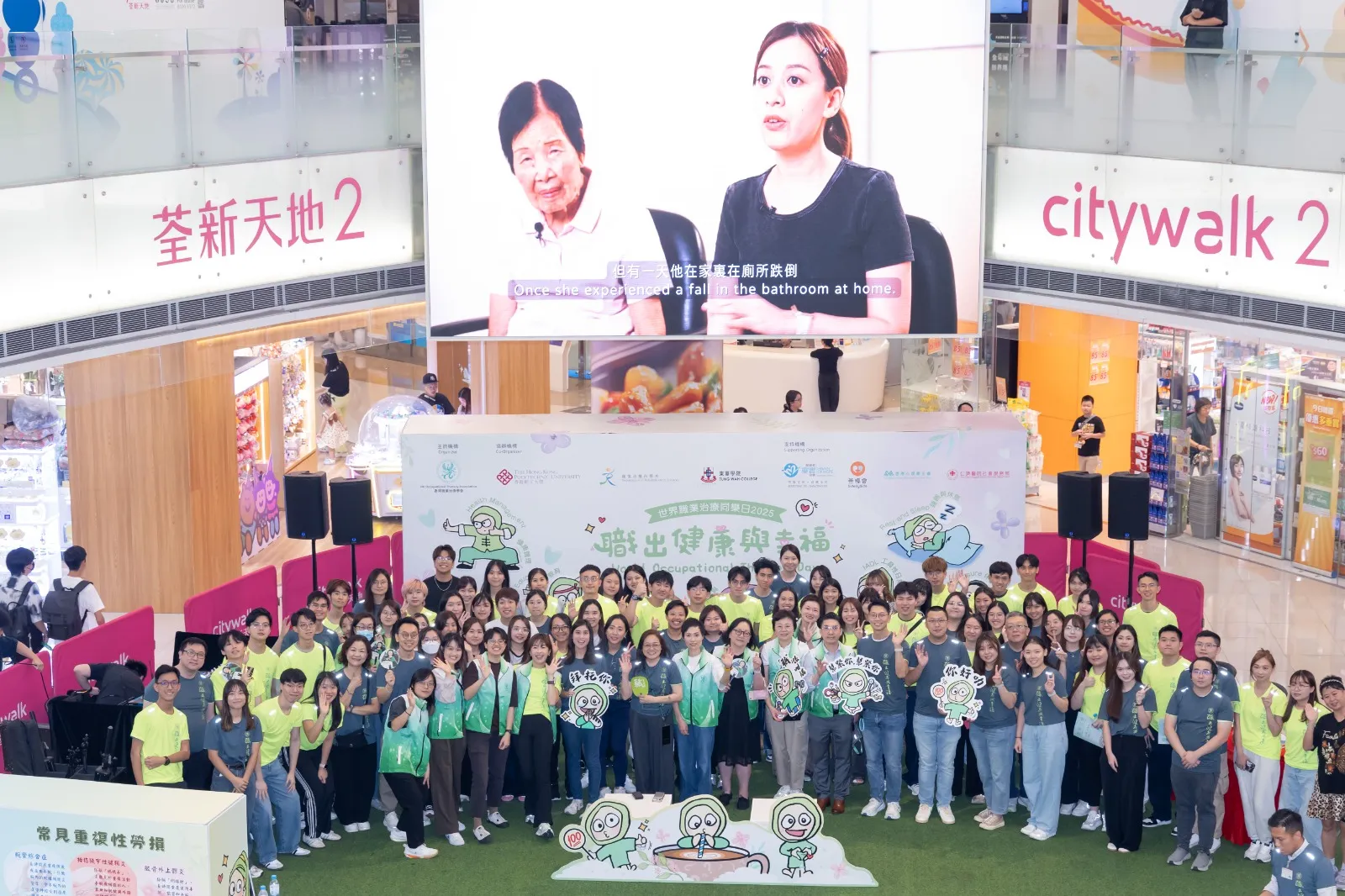
World Occupational Therapist Day 2025
On World Occupational Therapy Day 2025, Tung Wah College's OT teaching staff, students, and graduates hosted interactive booths on daily living skills, promoting occupational therapy and educating the public on essential health information.
What is the accreditation status of this programme?
The Programme is approved by the World Federation of Occupational Therapists (WFOT). Graduates will have a qualification that is recognized internationally. The Programme was successfully accredited by the Occupational Therapists Board (OTB) in June 2017 and the accreditation was approved by the Supplementary Medical Professions Council (SMPC).
What are the differences between Occupational Therapy (OT) and Physiotherapy (PT)?
Both occupational therapists and physiotherapists are part of a team of health professionals but they differ in how they help clients/patients address disabilities. Physiotherapists use physical exercise and modalities to treat movement dysfunction, while occupational therapists use and adapt occupations to treat or prevent occupational dysfunction due to physical, mental or environmental factors. Occupational therapists also have the knowledge and training to work with people with mental illness or emotional problems such as depression and/or stress. A physiotherapist treats the patient’s actual impairment, while an occupational therapist helps the patient complete necessary everyday tasks with the impairment. Doing so may involve applying adaptive tools and techniques.
Is there any practicum for this programme? If yes, how and when will the practicum be arranged?
Students are required to satisfactorily complete at least 1000 hours of practicum prior to graduation. Practicum is divided into four different blocks spreading over four years of study, including summer breaks. Students will be placed in hospital and community settings. The duration of the practicums ranges from two weeks to ten weeks.
What is the career prospect for this programme?
Occupational Therapists are currently in great demand in hospitals and community or non-profit organization settings such as aged care centres, schools, nursing homes, and rehabilitation facilities etc. Master Pay Scale (MPS) for Occupational Therapist II ranges from 14 (first point) to 24 (last point).
What kind of characteristics do you expect the students to have?
Besides good academic results, the programme expects students to have a caring attitude, willingness to communicate and interact with others, a curious and creative mind for learning, and an ability to manage time well.
What are the special features of the Occupational Therapy Programme at TWC?
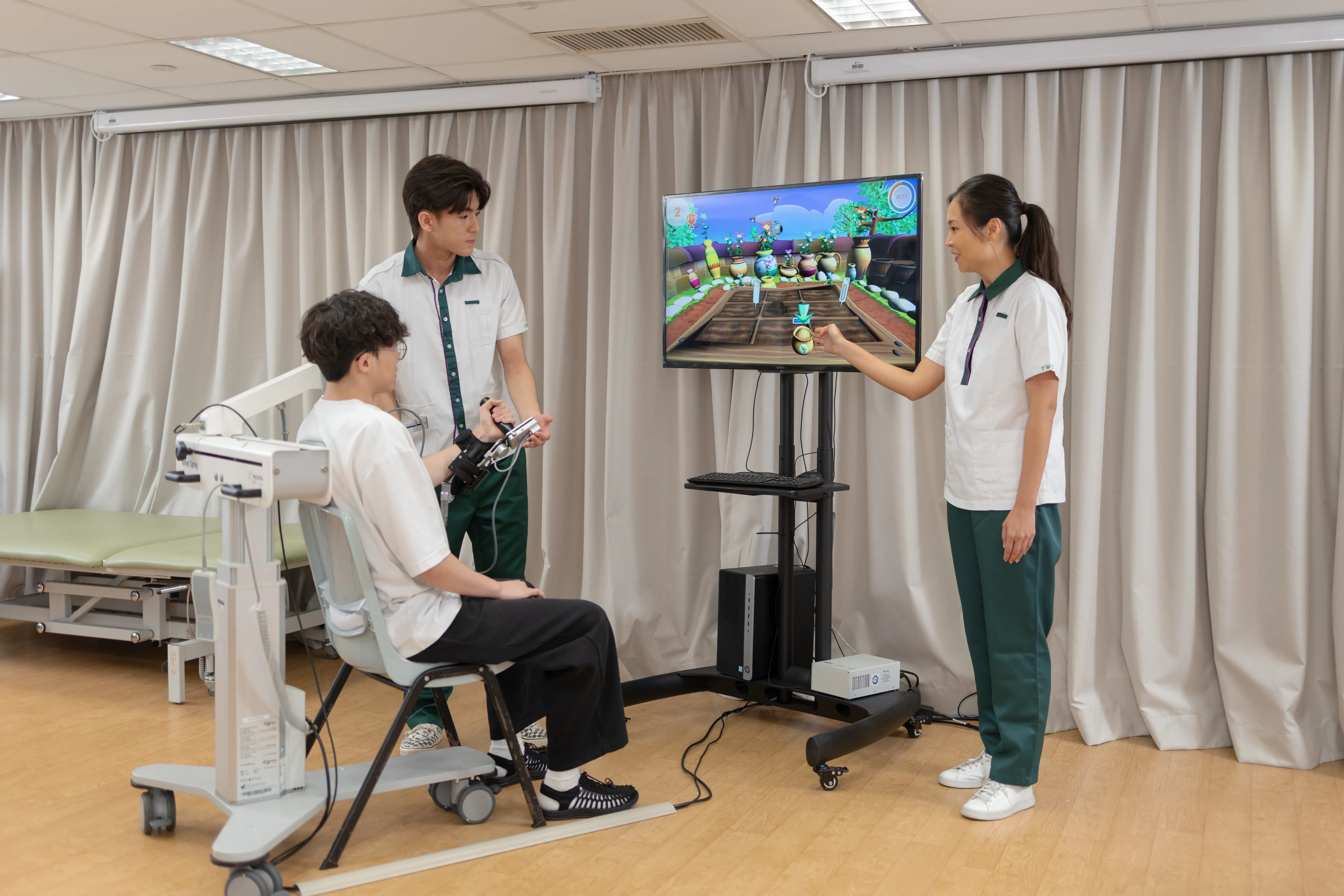
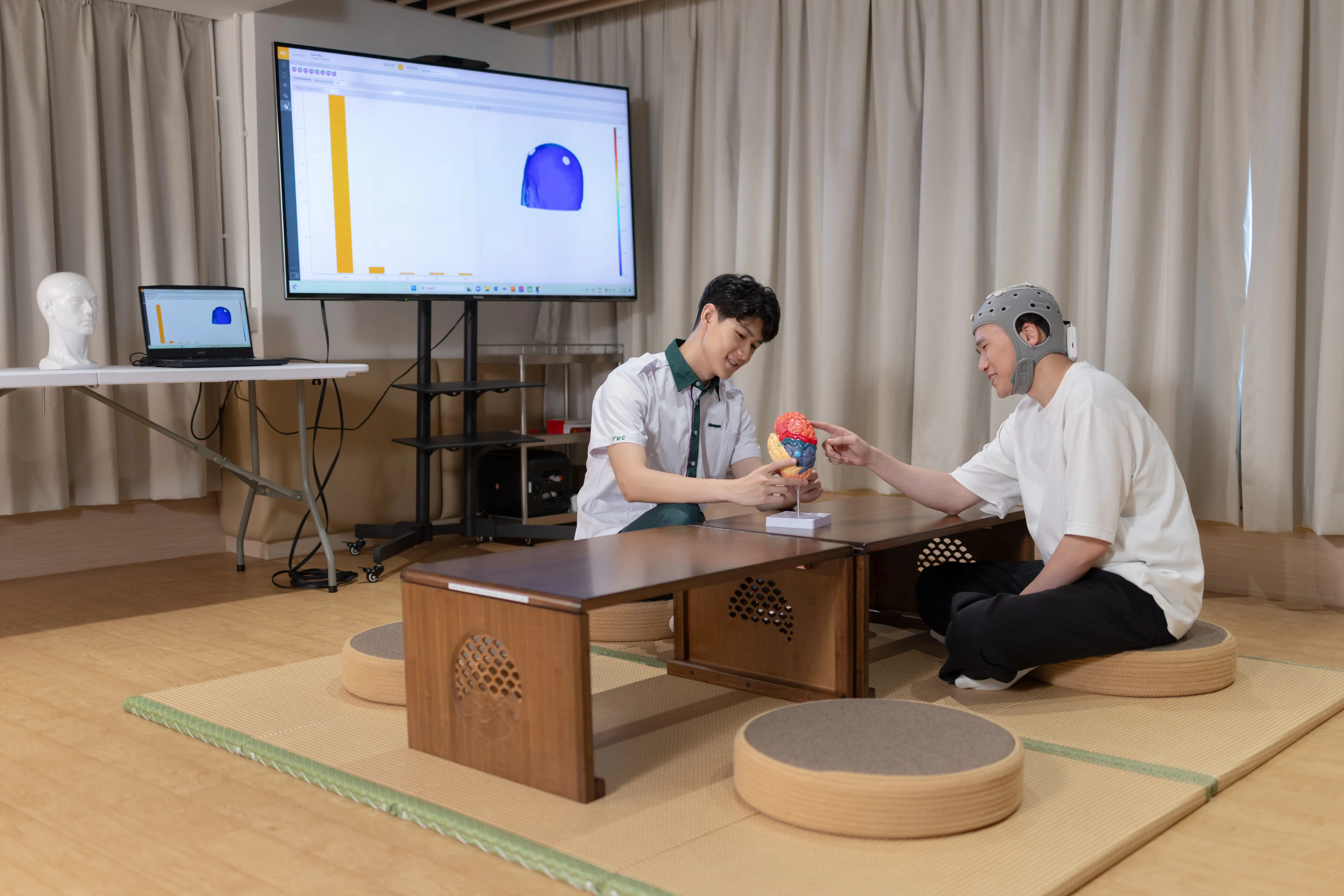
Besides meeting minimum standards of competence to practice as an occupational therapist upon graduation, the programme puts emphasis on equipping graduates with knowledge and skills to practise in various types of community settings and schools. In addition to lectures, core courses are taught through small groups, using specialised laboratories and real clinical settings, and close interaction between teaching staff and students to facilitate and monitor progress in this demanding programme.
| No. | Date | News Title |
|---|---|---|
| 1 | 15 Apr 2020 | 東華獲職業治療學科評審資格 |
| 2 | 14 Apr 2020 | 東華學院獲職業治療學科範圍評審資格:邁開升格私立大學第一步 |
| 3 | 14 Apr 2020 | 東華學院首獲職業治療學科評審資格 學院:邁開升格私立大學第一步 |
| 4 | 15 Mar 2020 | 羅致光指康復服務短缺仍十分嚴重 3年內增加55.5%開支 |
| 5 | 15 Mar 2020 | 羅致光指康諮會正為殘疾服務定新方案 政府將資助理大及東華課程 |
| 6 | 13 Mar 2020 | 考取註冊資格 成為職業治療師 |
| 7 | 26 Dec 2017 | 奮發時刻 DSE #17 - 東華學院 (職業治療學理學士 (榮譽) 學位) (香港電台) |
| 8 | 5 Jul 2017 | 東華學院職業治療獲專業認證 (明報) |
| 9 | 5 Jul 2017 | 東華學院職業治療獲專業認證 (東方日報) |
| 10 | 5 Jul 2017 | 東華職業治療獲專業認證 (星島日報) |
| 11 | 5 Jul 2017 | 東華治療師課程獲認證 (文匯報) |
| 12 | 5 Jul 2017 | 東華首屆職業治療畢業生月薪2.6萬 (大公報) |
| 13 | 4 Jul 2017 | 東華學院自資職業治療學士課程獲認可 畢業即可執業月薪逾2.6萬 (HK01) |
| 14 | 1 Jul 2017 | 東華職業治療學位獲認證 (東方日報) |
| 15 | 2 Jun 2017 | 東華職業治療學畢業生做足準備 (頭條日報) |
| 16 | 24 Dec 2016 | 何謂「職業治療師」? (信報) |
| 17 | 5 Aug 2016 | 人口老化加劇 護理學額競爭烈 三自資校培訓註冊護士應需求 (星島日報) |
| 18 | 11 Jul 2016 | 東華學院培訓專職醫療及復康專才 (明報) |
| 19 | 27 May 2016 | 東華學院持續優化課程 優質教學質素獲肯定 (明報) |
| 20 | 21 Jul 2015 | 《 通識.通通識》DSE升學系列—東華學院醫療科學學士(榮譽)學位及職業治療學理學士(榮譽)學位課程(DBC 數碼電台) |
| 21 | 31 Mar 2015 | 東華學院懷舊房實習照料腦退化患者 (明報) |