The programme is accredited by the Physiotherapists Board, qualifying graduates for registration as physiotherapists in Hong Kong. It aims to prepare students to become professional physiotherapists who meet the requirements of both local and global standards.

Bachelor of Science (Honours) in Physiotherapy
Programme Description
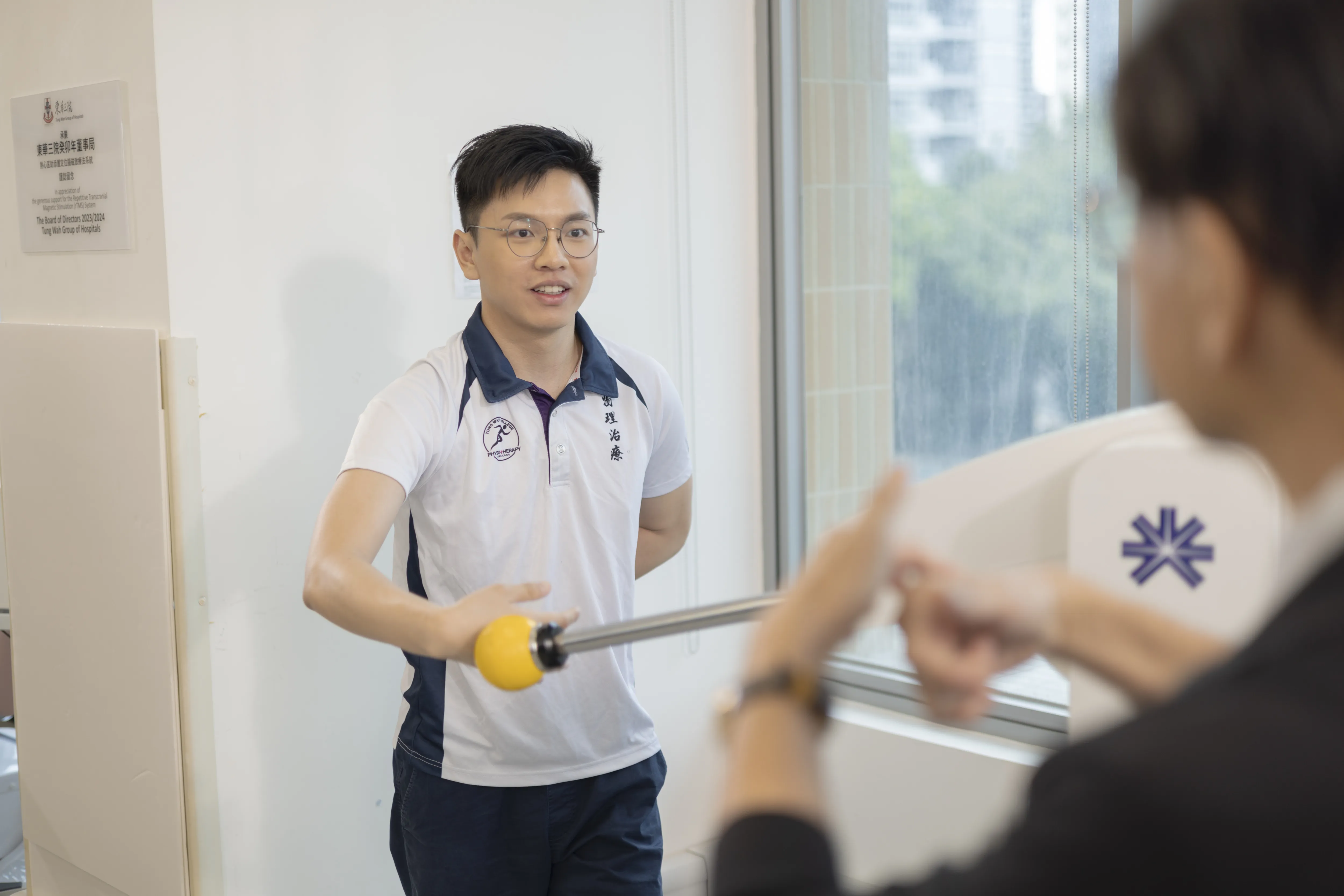
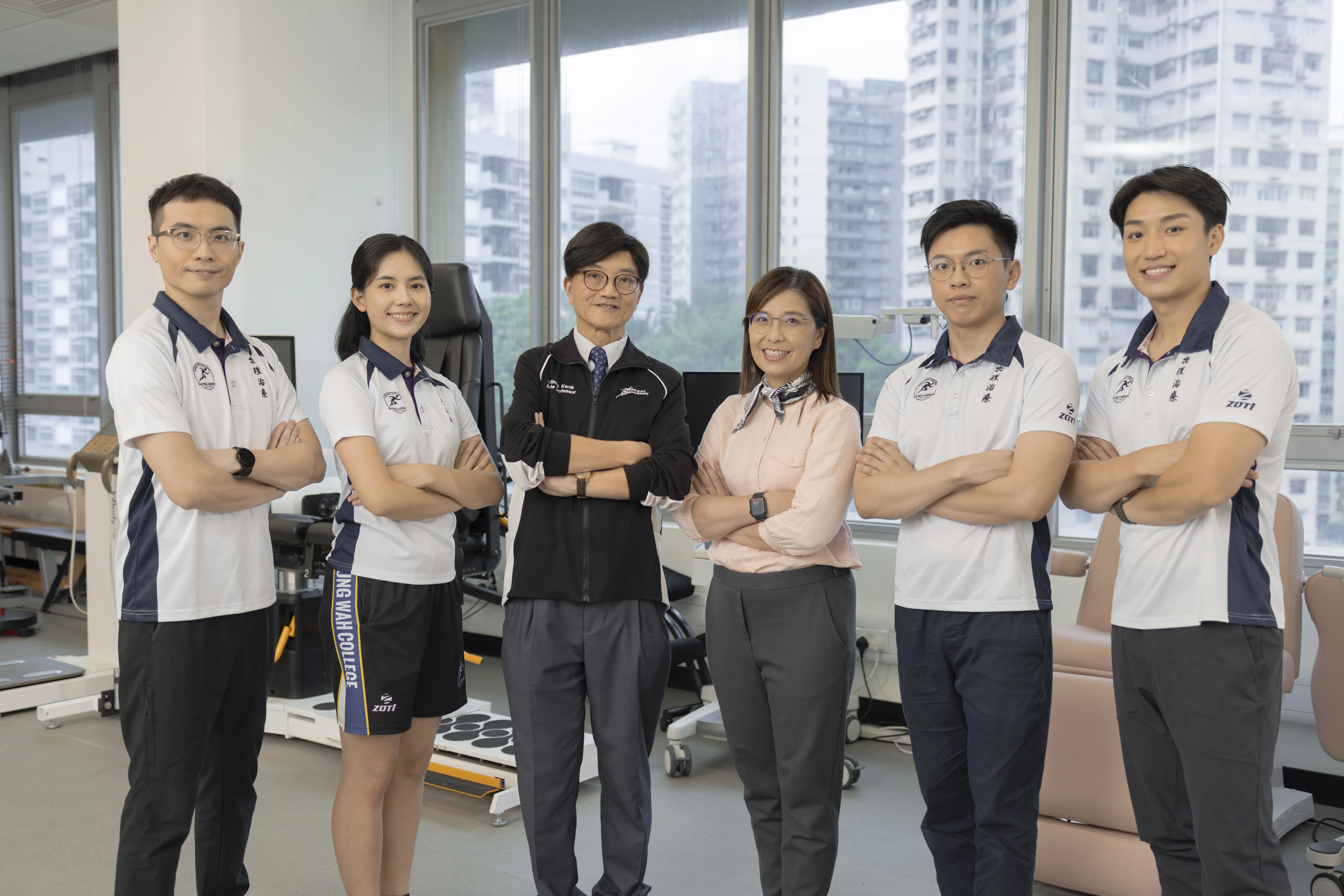
The programme's objectives are to nurture professional physiotherapists with a caring attitude, strong interpersonal skills, and commitment to lifelong learning, enabling them to meet community healthcare needs. It offers diverse experiences like small-group teaching, professional discussions, community service, and clinical practice, including over 1,000 hours of placements in hospitals (inpatient/outpatient) and community rehabilitation centers. Ultimately, it fosters mature professionals with problem-solving, leadership skills, and a global perspective.
Mode Of Study
| Mode Of Study | |
|---|---|
| Medium of instruction | English |
| Total no. of credits | 132 credits |
| JUPAS catalogue no. | JSST05 |
HKDSE applicants should submit applications through the Joint University Programmes Admissions System (JUPAS). There are NO self-financing places for this programme.
Programme Leader
Professor Grace SZETO
Email: graceszeto@twc.edu.hk
- PhD, Curtin University, Australia
- MSc(Appl Sc), Curtin University, Australia
- BSc(PT), University of Toronto, Canada
- Registered Physiotherapist (HK)
- Registered Physiotherapist (Australia)
QF Information
| QF Information | |
|---|---|
| QF level | 5 |
| QR registration no. | 18/000434/L5 |
| Registration validity period | 01/09/2018 to 31/08/2028 |
Discipline Courses
| Discipline Courses |
|---|
| Anatomy and Physiology |
| Functional Anatomy for Physiotherapy |
| Applied Exercise Science |
| Introduction to Physiotherapy and Professional Ethics |
| Assessment and Evaluation in Physiotherapy |
| Movement Science and Kinesiology |
| Clinical Neuroscience |
| Physiotherapy in Musculoskeletal Context II |
| Human Development across Lifespan |
| Rehabilitation Psychology |
| Orthopaedics, Traumatology and Rheumatology |
| Research Methods and Statistics |
| Pharmacology |
| Science and Practice of Electrotherapy |
| Physiotherapy in Musculoskeletal Context I |
| Advanced Technology and Health Informatics |
| Physiotherapy in Musculoskeletal Context IV |
| Physiotherapy in Cardiorespiratory Context I |
| Physiotherapy in Neurological Context I |
| Physiotherapy in Cardiorespiratory Context II |
| Physiotherapy in Neurological Context II |
| Physiotherapy in Mental Health |
| Physiotherapy in Paediatrics and Developmental Disabilities |
| Physiotherapy in Musculoskeletal Context III |
| Rehabilitation in Older People |
| Capstone Project |
| Physiotherapy in Sports and Occupational Health |
| Chinese Therapeutics and Acupuncture |
| Primary Health Care and Community-based Rehabilitation |
| Healthcare System and Management |
Clinical Practicum Courses
| Clinical Practicum Courses |
|---|
| Basic Physiotherapy Practicum I |
| Musculoskeletal Physiotherapy Practicum |
| Basic Physiotherapy Practicum II |
| Neurological Physiotherapy Practicum |
| Cardiorespiratory Physiotherapy Practicum |
| Primary Health Care and Community Physiotherapy Practicum |
General Education (GE) Courses
| General Education (GE) Courses |
|---|
| Introduction to Statistics |
| + Select 1 course from the College’s GE course list |
| The Development and Operation of Non-profit Organisations |
Language Courses
| Language courses |
|---|
| Applied Chinese Language (or Basic Chinese)* |
| Enhancing Academic English Skills |
| Advanced English Writing Skills |
| + Select 1 Language elective course |
| Developing English Language Skills |
Remarks: The programme structure listed above is for reference only. For details, please consult the School concerned or refer to the Programme Definitive Document.
Year 1 Entry
For Year 1 entry, applicants should meet one of the following requirements:
- (HKDSE candidates from 2024/25 onwards) Have obtained Level 3 for Chinese Language and English Language and Level 2 for Mathematics and have “Attained (A)” for Citizenship and Social Development plus one Elective/Applied Learning Subject at Level 2 (“332A+2”) in HKDSE; OR
- (HKDSE candidates before 2024/2025) have obtained Level 3 for Chinese Language and English Language and Level 2 for Mathematics and Liberal Studies plus one Elective/Applied Learning Subject at Level 2 (“3322+2”) in HKDSE; OR
- Have passes in AS Use of English and AS Chinese Language and Culture plus one AL subject/two AS subjects in HKALE and Level 2 for Chinese Language and English Language plus passes in three other subjects in HKCEE; OR
- Have obtained the International Baccalaureate (IB) Diploma* with a minimum score of 24 and fulfilled the English language requirements:
- English A: Language and Literature (Higher or Standard Level) – Grade 4; or
- English A: Literature (Higher or Standard Level) – Grade 4; or
- English B (Higher Level) – Grade 4; or
- English B (Standard Level) – Grade 5; or
- English Literature and Performance (Standard Level) – Grade 4; or
- English Text and Performance (Standard Level) – Grade 4; OR
- Have obtained an equivalent qualification(1).
Notes:
- Please refer to the College’s website for examples of equivalent non-local qualifications for admission to bachelor’s degree programmes.
Programme Specific Requirements
- Preference will be given to applicants who have obtained Level 4 or above in Biology / Physics in HKDSE.
- Preference will be given to applicants who have obtained Level 4 or above in English Language in HKDSE.
- Preference for interview invitation will be given to selected candidates who place the programme as their Band A choices in JUPAS.
First Year Entry
| Year | Tuition Fee (HK$) |
|---|---|
| Year 1 | $87,440 |
| Year 2 | $87,440 |
| Year 3 | $87,440 |
| Year 4 | $87,440 |
| Programme Total | $349,760 |
Notes
- Tung Wah College will adjust the tuition fee of its programmes based on the Composite Consumer Price Index to be announced by the Government annually.
- Tuition fees are normally charged by two instalments per annum and are payable before the commencement of each semester. New students are required to settle the balance of the tuition fee for the first semester (i.e. after deducting deposit) upon programme registration in August.
- Students are required to pay additional fees for all retake/additional courses which would be charged at the rate of the normal cohort and be calculated by the number of credits to be taken. Please refer the details in the College’s Fees Regulation at https://www.twc.edu.hk/en/Administration_Units/fo/our_service/student-area.
- The tuition fee for the programme under the Study Subsidy Scheme for Designated Professions/Sectors (SSSDP) is the net fee paid by a student after deduction of subsidy from the Government. In 2026/27 academic year, the annual subsidy under the SSSDP is $81,450 for laboratory-based undergraduate programmes. The annual subsidy amount may vary in each academic year subject to the decision by the Education Bureau.
- All fees paid are non-refundable and non-transferable.
- Following the Government's announcement on 31 July 2025 regarding the revised eligibility criteria for government-subsidised post-secondary student places and subsidies, the new arrangements will take effect from the 2027/28 academic year (with the application cycle commencing in October 2026). Students will be required to pay the non-subsidised tuition fees if they do not meet the updated eligibility criteria for government subsidies.
- For more details about the College's tuition fee payment schedule and fees regulation, please refer to the "Tuition Fee Payment Schedule" and "Fees Regulation" at https://www.twc.edu.hk/en/Administration_Units/fo/our_service/student-area.
Tung Wah Group of Hospitals I-Run 2025
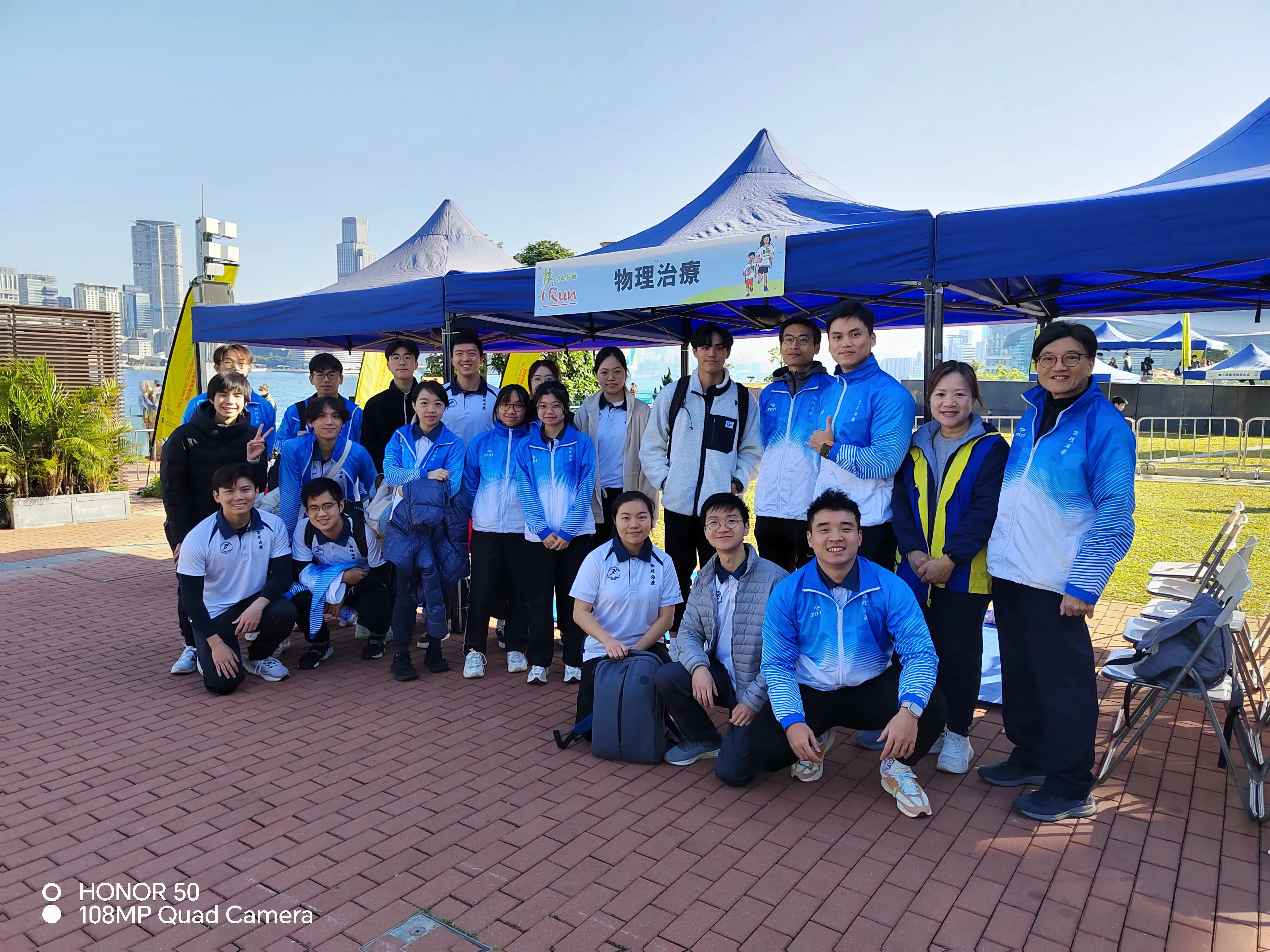
40 Physiotherapy Teachers and Students joined force to provide logistics, exercise demonstration and on-field physiotherapy service to the TWGHS I-Run event. on 12 January 2025.
The Auxiliary Medical Service Chartered Bank Hong Kong Marathon Road-side on-field Support
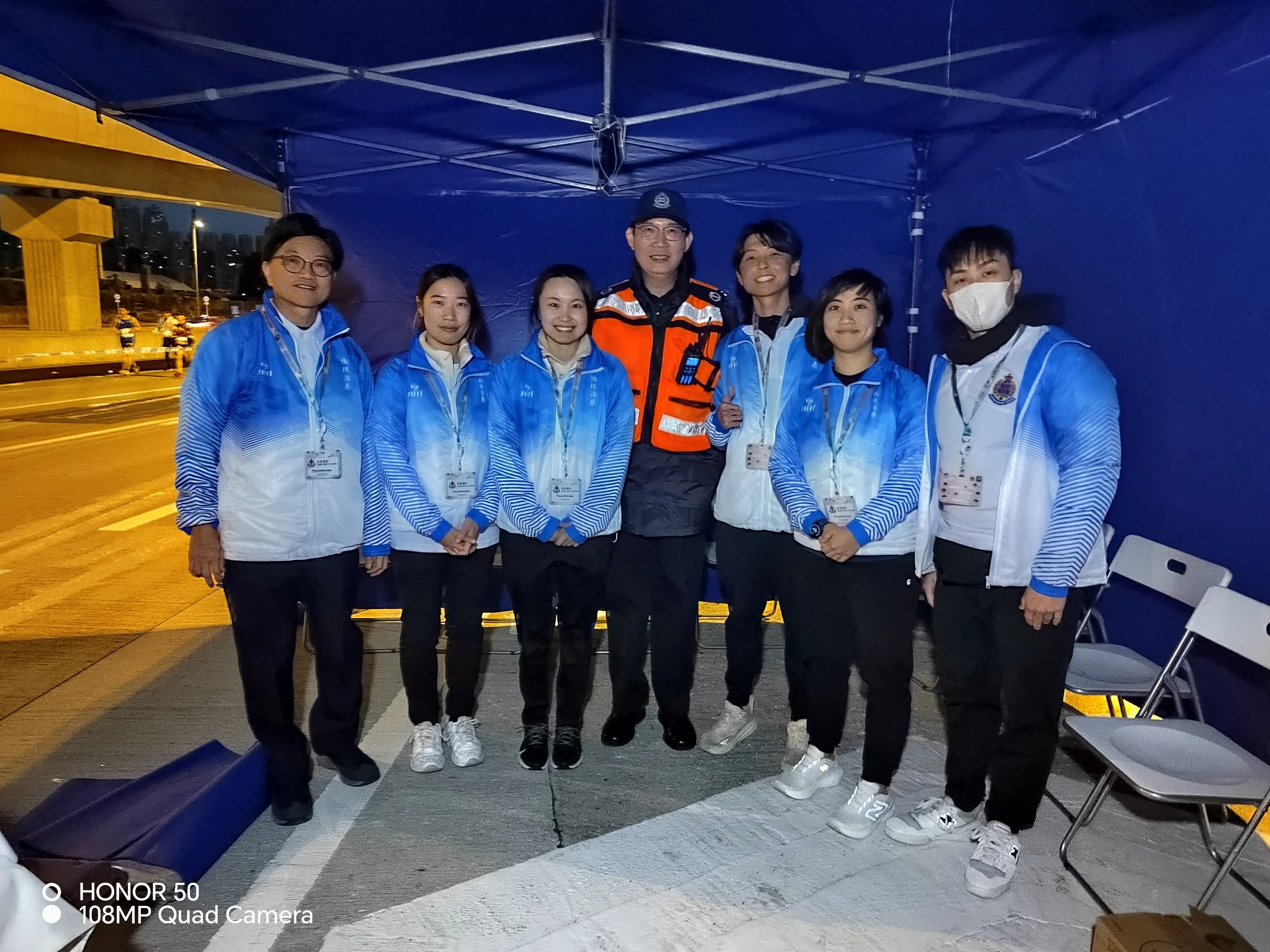
12 Physiotherapy Teachers and Students attending the AMS Chartered Bank Hong Kong Marathon Road-side on-field Support on 9 February 2025.
Inter-Professional Healthcare Education Tour to Taiwan in 2025
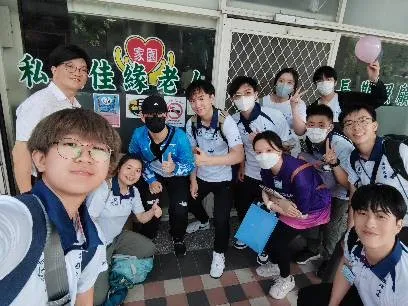
40 Physiotherapy, Occupational Therapy and Health Sciences Students joined together for an Inter-Professional Healthcare Education Tour to Taiwan in 2025
What are the special features of the Physiotherapy Programme at TWC?
The programme aims to nurture students to become professional physiotherapists with a caring attitude, strong communication and leadership skills, commitment for lifelong learning and an ability to serve the healthcare needs in the community. In addition to lectures, core physiotherapy courses are taught through small group teaching, using specialised laboratories and real clinical settings. Close interaction between teaching staff and students facilitates better learning outcomes in this demanding programme.
How is studying Physiotherapy at TWC different from studying the same programme at other local universities?
TWC is a self-financing tertiary institution. The teaching staff are experienced in both clinical practice and teaching. The BSc(Hons) in Physiotherapy at TWC has academic merits equivalent to similar degrees at other universities in Hong Kong and internationally. With a maximum intake of 50 students per year, TWC fosters a caring teacher-student relationship with focused professional learning and career growth.
If I did not study biology, can I still apply?
Applicants who have a genuine understanding and keen interest in physiotherapy are considered. For DSE applicants, scores in the best 5 subjects are evaluated, and biology is a highly preferred subject.
Is there any practicum for this programme? If yes, how and when will the practicum be arranged?
Yes. Students are required to satisfactorily complete a total of 1,085 hours of clinical practicum prior to graduation. Practicum is divided into 6 different blocks across 4 years of study, including summer breaks. Students are placed in hospital and community settings and supervised by qualified clinical educators. Practicums range from 3 to 6 weeks each, and opportunities may be available for overseas placements.
Does the programme involve teaching acupuncture?
Yes. The programme teaches concepts and theories of traditional Chinese medicine, commonly used Chinese therapeutic methods, and the theory and practice of acupuncture. This is taught in the 4th year along with a brief practicum to enhance clinical acupuncture skills.
What are the differences between Physiotherapy (PT) and Occupational Therapy (OT)?
Both PT and OT are part of the healthcare professional team, but they differ in their approaches. Physiotherapists primarily use physical assessment and treatment, including manual therapy, exercise and electrophysical agents, to restore movement and functional ability. Occupational therapists focus on helping patients perform everyday tasks despite impairment, often using adaptive tools and techniques.
s this Physiotherapy programme recognised by the professional registration board in Hong Kong?
Yes. The programme has been accredited by the Physiotherapists Board of the Supplementary Medical Professions Council (SMPC) in June 2022. Graduates are eligible to apply for registration as Physiotherapists “物理治療師” for practice in Hong Kong.
What is the career prospect for this programme?
Physiotherapists can work in hospitals, community or non-profit organisation settings such as aged care centres, schools, nursing homes, and rehabilitation centres. They can also work in private hospitals and clinics, start their own clinics, or work in exercise or fitness centres, including providing on-field services to sports teams.