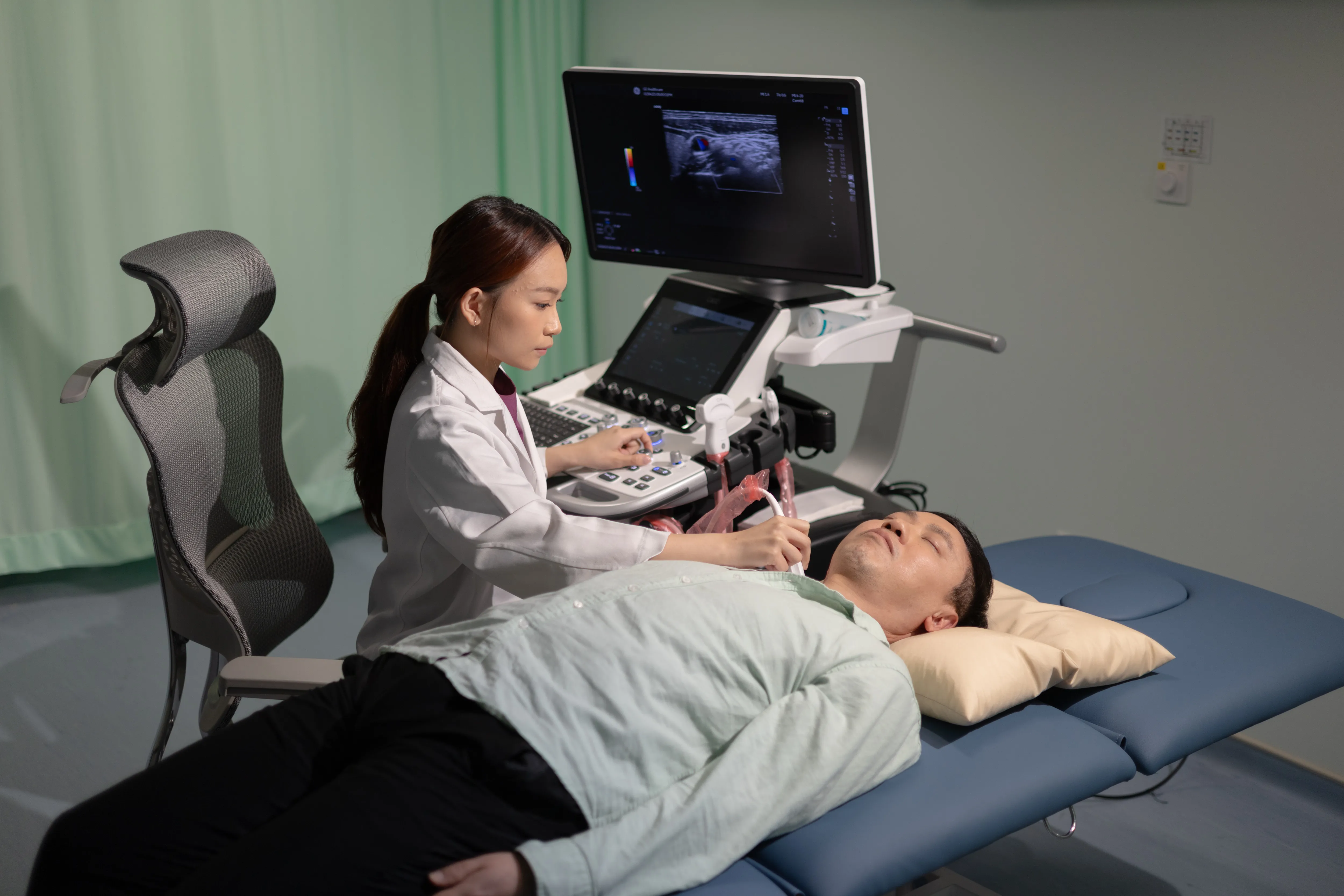
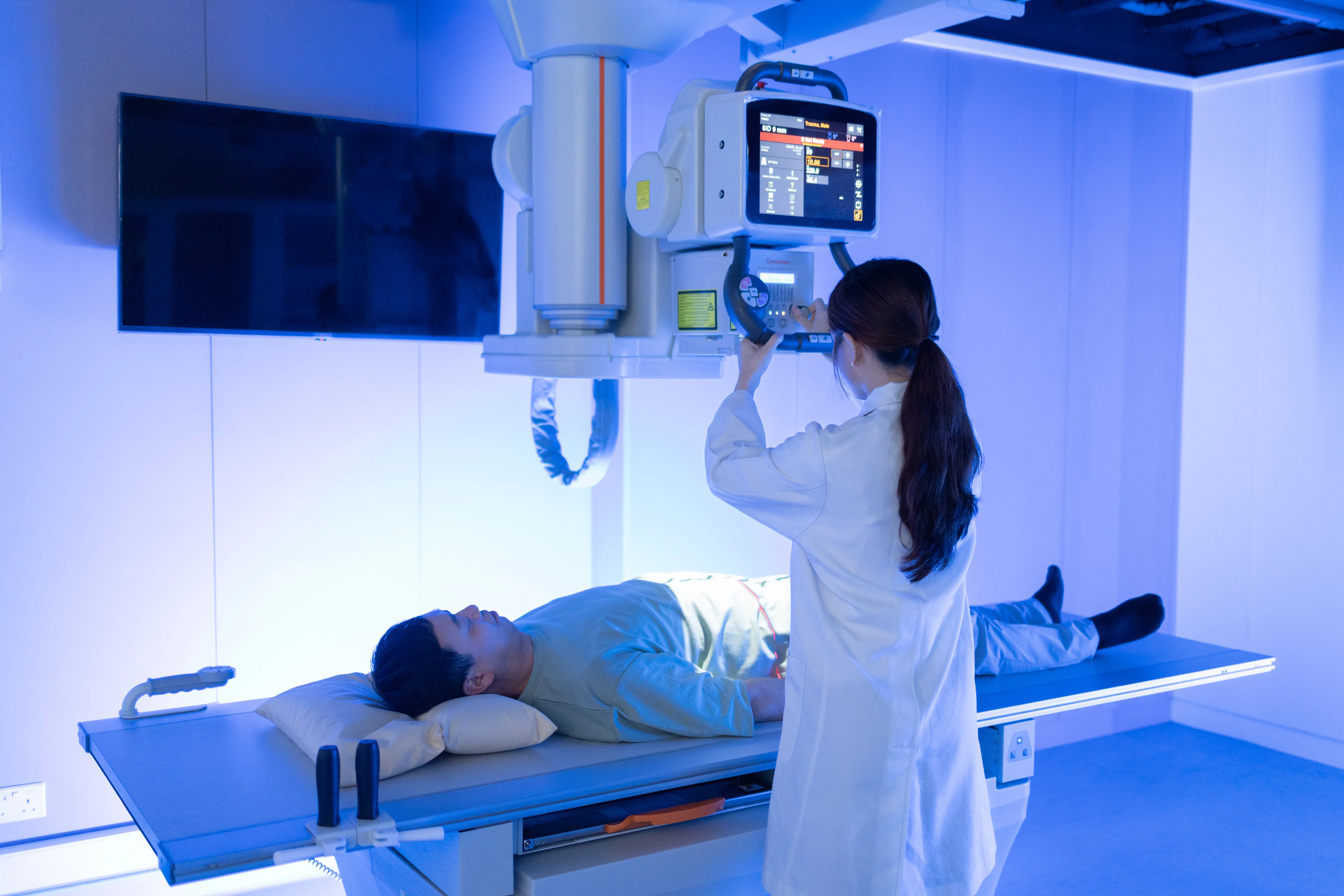
The programme delivers the comprehensive education within state-of-the-art laboratories and advanced teaching facilities, guided by experienced professors. Through structured clinical placements, it cultivates in-depth knowledge, technical expertise, ethical awareness, and evidence-based decision-making, equipping graduates for reflective practice and sustained excellence in patient-focused radiography.

Bachelor of Science (Honours) in Medical Imaging
Programme Description
The programme emphasises experiential learning in cutting-edge laboratories and sophisticated teaching environments, mentored by seasoned academics. Extensive clinical placements foster critical analysis, problem resolution, and interpersonal abilities, empowering students for lifelong professional advancement and meaningful contributions to compassionate, evidence-driven healthcare imaging.
Mode Of Study
| Mode Of Study | |
|---|---|
| Medium of instruction | English |
| Total no. of credits | 138 credits |
| JUPAS catalogue no. | JSST08 |
HKDSE applicants should submit applications through the Joint University Programmes Admissions System (JUPAS). There are NO self-financing places for this programme.
Programme Leader
Professor Christopher LAI
Email: christopherlai@twc.edu.hk
- PhD, The Chinese University of Hong Kong
- BSc (Radiography), The Hong Kong Polytechnic University
- Fellow, The Hong Kong College of Radiographers and Radiation Therapists
- Registered Radiographer in Part I (Category: Diagnostic), Radiographers Board
QF Information
| QF Information | |
|---|---|
| QF level | 5 |
| QR registration no. | 24/000068/L5 |
| Registration validity period | 01/09/2024 to 31/08/2029 |
Entrance Scholarships
Please click here for details.
Language Courses
| Language Courses |
|---|
| Applied Chinese Language (or Basic Chinese*) |
| Language Elective Course 1 |
| Developing English Language Skills |
| Language Elective Course 2 |
| Enhancing Academic English Skills |
* Alternate Chinese course for “non-Chinese speaking” students only
Discipline Courses
| Discipline Courses |
|---|
| Breast Imaging and Image Analysis |
| Medical Imaging Instrumentation |
| Clinical Studies I (Medical Imaging) |
| Medical Imaging Studies I |
| Clinical Studies II (Medical Imaging) |
| Medical Imaging Studies II |
| Clinical Studies III (Medical Imaging) |
| Molecules, Cells and Genes |
| Clinical Studies IV (Medical Imaging) |
| Pathophysiology |
| Computed Tomography for Imaging Practice |
| Patient Care in Imaging Practice |
| Ethical and Legal Aspects in Health Care |
| Psychosocial Dimensions of Health and Illness |
| General Microbiology and Immunology |
| Radiation Physics |
| General Pathology |
| Radiation Protection and Safe Practice |
| Human Anatomy |
| Radiobiology |
| Human Physiology |
| Radiographic Imaging Practice |
| Imaging Anatomy |
| Radiographic Imaging Science |
| Imaging Informatics |
| Radionuclide and Molecular Imaging |
| Imaging Pathology |
| Research Methods in BioScience |
| Introduction to Health Informatics |
| Special Topics in Medical Imaging |
| Introduction to Physics |
| Ultrasonography |
| Magnetic Resonance for Imaging Practice |
| Vascular and Interventional Radiology |
| Medical Imaging Honours Year Project |
General Education (GE) Courses
| General Education (GE) Courses |
|---|
| Big Data and Data Sciences |
| Introduction to Statistics |
| + 1 course from the College’s GE course list |
| The Development and Operation of Non-profit Organizations |
Remarks: The programme structure listed above is for reference only. For details, please consult the School concerned or refer to the Programme Definitive Document.
Year 1 Entry
For Year 1 entry, applicants should meet one of the following requirements:
- (HKDSE candidates from 2024/25 onwards) Have obtained Level 3 for Chinese Language and English Language and Level 2 for Mathematics and have “Attained (A)” for Citizenship and Social Development plus one Elective/Applied Learning Subject at Level 2 (“332A+2”) in HKDSE.
- (HKDSE candidates before 2024/2025) have obtained Level 3 for Chinese Language and English Language and Level 2 for Mathematics and Liberal Studies plus one Elective/Applied Learning Subject at Level 2 (“3322+2”) in HKDSE.
- Have passes in AS Use of English and AS Chinese Language and Culture plus one AL subject/two AS subjects in HKALE and Level 2 for Chinese Language and English Language plus passes in three other subjects in HKCEE.
- Have obtained the International Baccalaureate (IB) Diploma* with a minimum score of 24 and fulfilled the English language requirements:
- English A: Language and Literature (Higher or Standard Level) – Grade 4
- English A: Literature (Higher or Standard Level) – Grade 4
- English B (Higher Level) – Grade 4
- English B (Standard Level) – Grade 5
- English Literature and Performance (Standard Level) – Grade 4
- English Text and Performance (Standard Level) – Grade 4
- Have obtained an equivalent qualification(1).
Notes:
- Please refer to the College’s website for examples of equivalent non-local qualifications for admission to bachelor’s degree programmes.
Senior Year Entry
For Senior Year entry (3 years of study), applicants should meet one of the following requirements:
- Have completed a BSc in Radiography or Medical Imaging outside Hong Kong.
- Have obtained equivalent qualifications.
Programme-Specific Requirements
- Preference will be given to applicants who have obtained Level 3 or above in Combined Science* or Physics or Chemistry or Biology in HKDSE.
- Preference will be given to applicants who have obtained Level 4 or above in English Language in HKDSE.
- Preference for interview invitation will be given to selected candidates who place the programme as their Band A choices in JUPAS.
* Obtained before 2024 DSE
First Year Entry
| Year | Tuition Fee (HK$) |
|---|---|
| Year 1 | $90,910 |
| Year 2 | $90,910 |
| Year 3 | $90,910 |
| Year 4 | $90,910 |
| Programme Total | $363,640 |
- Tung Wah College will adjust the tuition fee of its programmes based on the Composite Consumer Price Index to be announced by the Government annually.
- Tuition fees are normally charged by two instalments per annum and are payable before the commencement of each semester. New students are required to settle the balance of the tuition fee for the first semester (i.e. after deducting deposit) upon programme registration in August.
- Students are required to pay additional fees for all retake/additional courses which would be charged at the rate of the normal cohort and be calculated by the number of credits to be taken. Please refer the details in the College’s Fees Regulation at https://www.twc.edu.hk/en/Administration_Units/fo/our_service/student-area.Tuition fees are normally charged by two instalments per annum and are payable before the commencement of each semester. New students are required to settle the balance of the tuition fee for the first semester (i.e. after deducting deposit) upon programme registration in August.
- The tuition fee for the programme under the Study Subsidy Scheme for Designated Professions/Sectors (SSSDP) is the net fee paid by a student after deduction of subsidy from the Government. In 2026/27 academic year, the annual subsidy under the SSSDP is $81,450 for laboratory-based undergraduate programmes. The annual subsidy amount may vary in each academic year subject to the decision by the Education Bureau.
- All fees paid are non-refundable and non-transferable.
- Following the Government's announcement on 31 July 2025 regarding the revised eligibility criteria for government-subsidised post-secondary student places and subsidies, the new arrangements will take effect from the 2027/28 academic year (with the application cycle commencing in October 2026). Students will be required to pay the non-subsidised tuition fees if they do not meet the updated eligibility criteria for government subsidies.
- For more details about the College's tuition fee payment schedule and fees regulation, please refer to the "Tuition Fee Payment Schedule" and "Fees Regulation" at https://www.twc.edu.hk/en/Administration_Units/fo/our_service/student-area.
Senior Year Entry
For Senior Year Level entry, applicants should
- have completed a BSc in Radiography or Medical Imaging;
- OR have obtained equivalent qualifications.
| Year | Tuition Fee (HK$) |
|---|---|
| Year 1 | $172,360 |
| Year 2 | $172,360 |
| Year 3 | $172,360 |
| Total | $517,080 |
- Tung Wah College will adjust the tuition fee of its programmes based on the Composite Consumer Price Index to be announced by the Government annually.
- Tuition fees are normally charged by two instalments per annum and are payable before the commencement of each semester. New students are required to settle the balance of the tuition fee for the first semester (i.e. after deducting deposit) upon programme registration in August.
- Students are required to pay additional fees for all retake/additional courses which would be charged at the rate of the normal cohort and be calculated by the number of credits to be taken. Please refer the details in the College’s Fees Regulation at https://www.twc.edu.hk/en/Administration_Units/fo/our_service/student-area.
- All fees paid are non-refundable and non-transferable.
- For more details about the College's tuition fee payment schedule and fees regulation, please refer to the "Tuition Fee Payment Schedule" and "Fees Regulation" at https://www.twc.edu.hk/en/Administration_Units/fo/our_service/student-area.
- The actual tuition fee payable will be based on the number of credits required for graduation of the student. The number of credits required for graduation for each student depends on the student’s attainments of advance standing.
Career Prospects and Further Studies
Upon obtaining the programme accreditation by the Radiographers Board, graduates can practise as Diagnostic Radiographer in Hospital Authority’s hospitals, private hospitals or medical imaging centres in Hong Kong.
The Programme’s enriched curriculum enables graduates to further study in local and overseas masters’ programmes in Medical Imaging and Radiation Sciences, Medical Physics and Healthcare Management.
The Hong Kong’s professional qualification is recognized by a number of countries such as Britain, Canada, Singapore and Australia.
Graduate Profile and Employment Pathway
Please click “Graduate Profile and Employment Pathway” for details.
BSc(MI) Students Support Info Day 2025
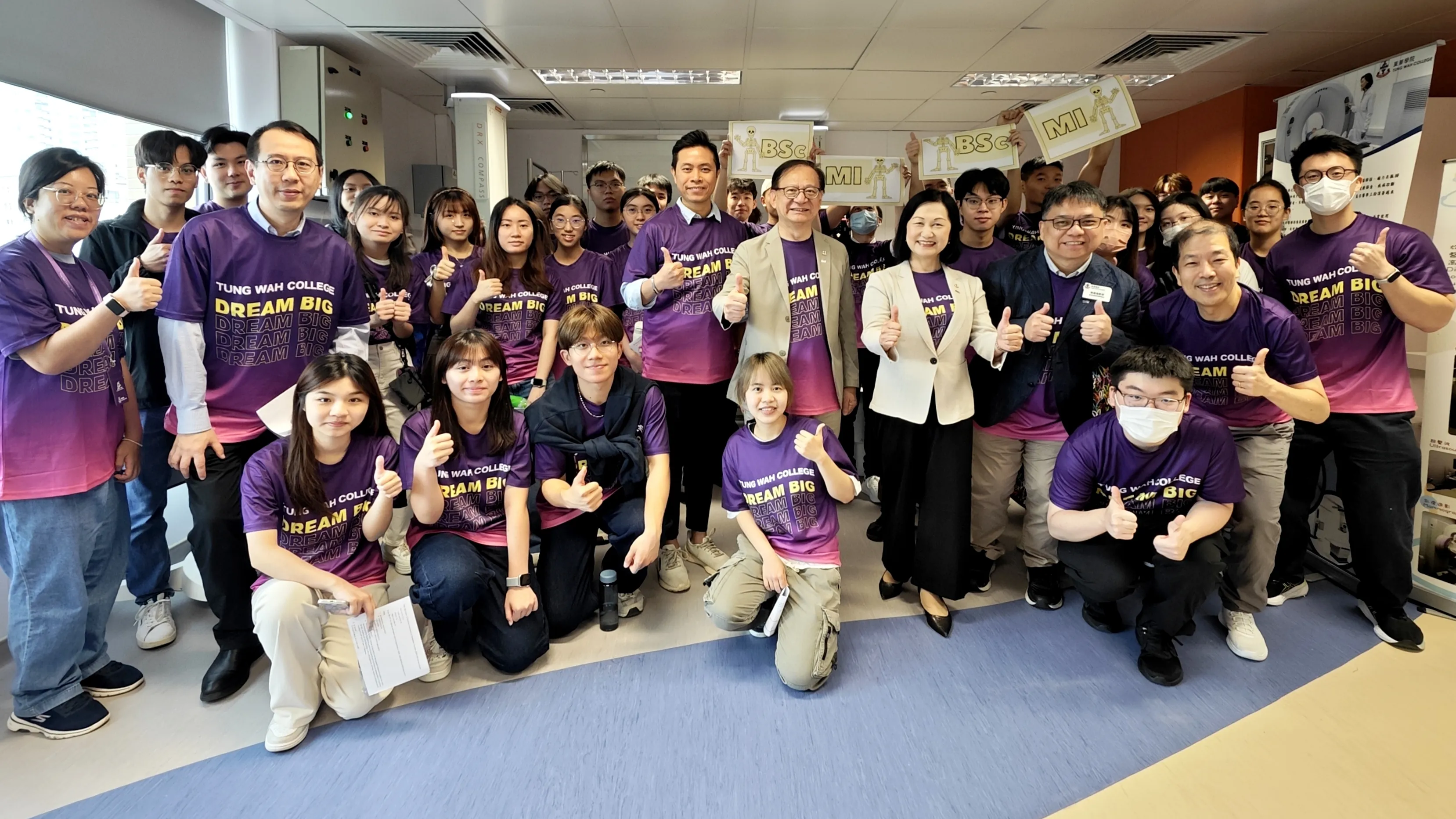
BSc(MI) students actively introduced their programme to prospective students at Info Day 2025, promoting their programme and sharing career prospects in healthcare imaging.
Kickstarting Student Life: Orientation Camp 2025
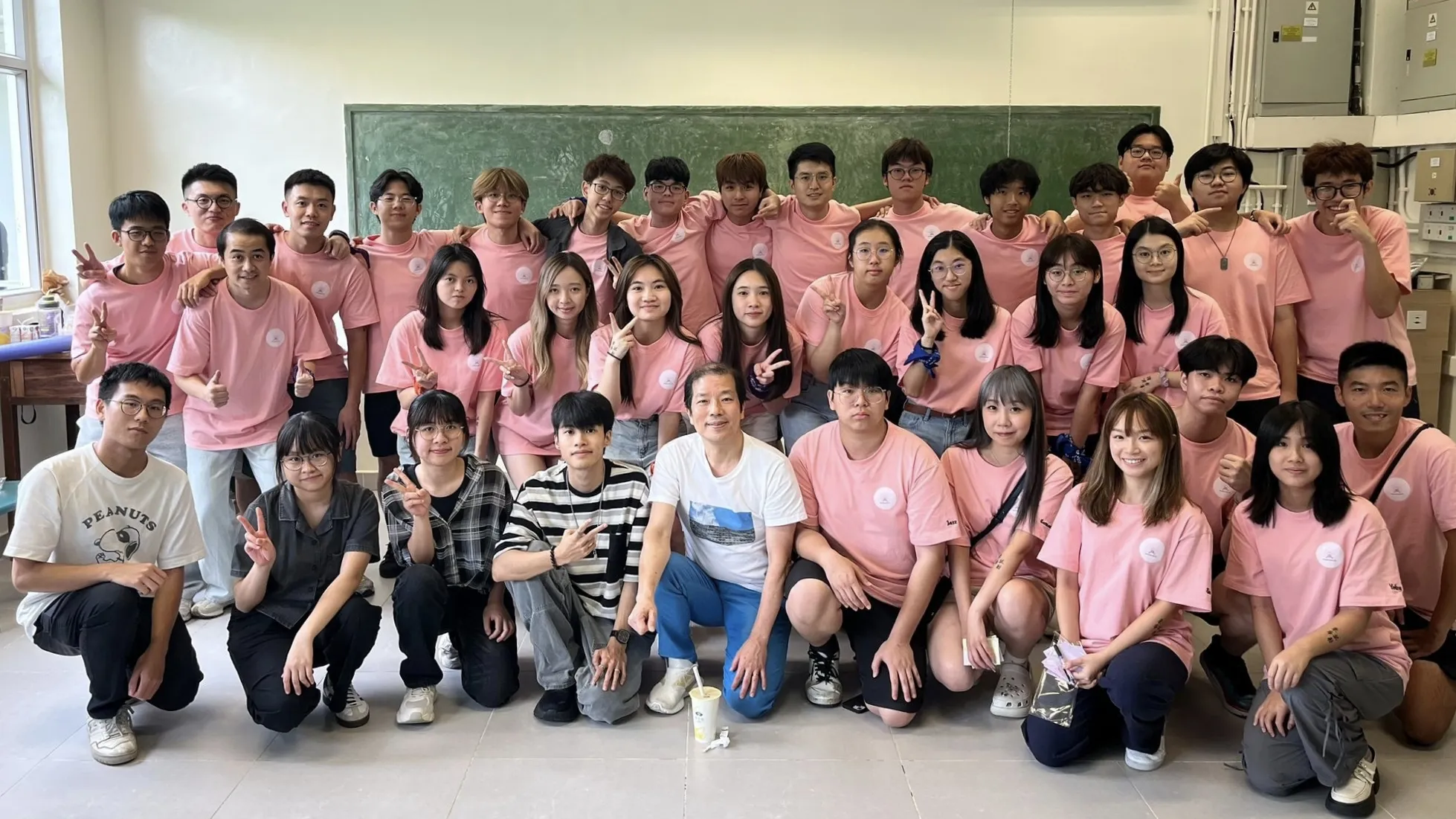
Our first Orientation Camp at Wu Kai Sha Youth Village offered new students an exciting opportunity to connect and begin their campus journey together. 5 traditional chinese version.
Study Tour in Singapore 2025
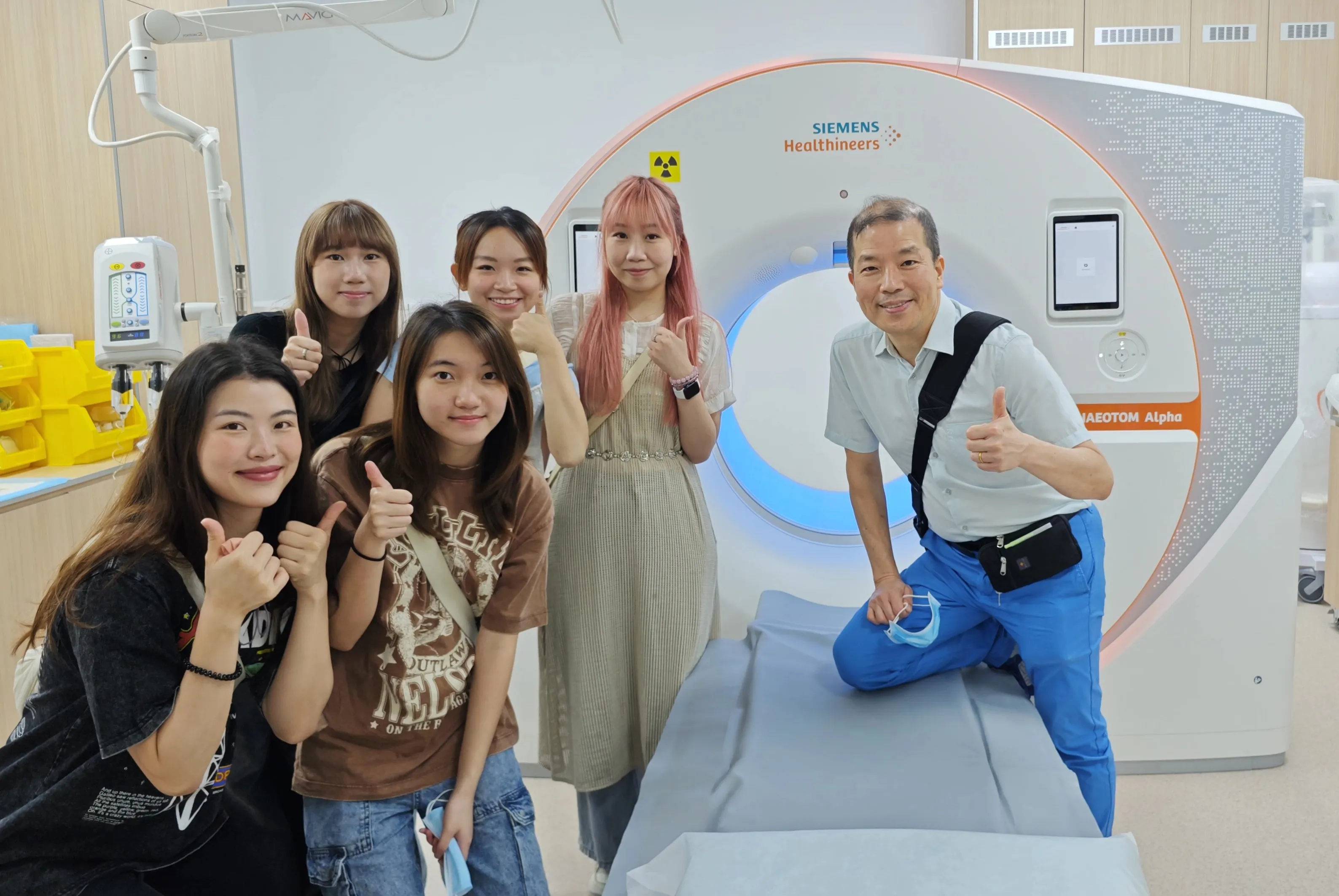
During the 2025 Study Tour to Singapore Institute of Technology (SIT), students visited Sengkang General Hospital to explore advanced imaging technologies, including the advanced photon-counting CT scanner.
What are the special features of the Medical Imaging Programme at Tung Wah College (TWC)?
The Programme is the first local self-financing degree programme with direct entry to Medical Imaging in the first year of the Programme. The Programme adopts Education 4.0 approach, using advanced technology, to transform the future of radiographer education. The Programme will use artificial intelligence, big data, simulation and virtual environments as tools to deliver student-centred teaching. The Programme adopts competence based clinical education/assessment with an emphasis on training radiography practitioners to engage in with reflective and reflexive practice central to patient-centred care and the competent use of various imaging technologies to screen, diagnose, and treat diseases. TWC has close affiliations and collaborations with Tung Wah Group Hospitals (TWGHs)’ network, the Hospital Authority and private healthcare sectors for students’ clinical practicum, and the appointment of clinical experts for academic exchange and teaching. The Programme will provide enhanced training in Computed Tomography which has been increasingly used as the first line of imaging method for diagnosis and Breast Imaging for cancers screening and follow‑up. The Programme will train students to become qualified professionals on performing medical imaging techniques including X‑ray, Magnetic Resonance Imaging, Computed Tomography, Breast Imaging etc. There has been an ongoing shortage of Diagnostic Radiographers in Hong Kong. The recent years’ outflow rate ranges from 8‑20% and the impact on the medical imaging services is particularly serious as the number of Diagnostic Radiographers has always been small as compared with other healthcare disciplines. Facing the shortage of radiography professional workforce, TWC aims to train related professionals to meet with the ongoing needs of the society.
How is studying Medical Imaging at TWC compared to studying the same programme at other universities?
TWC is a self‑financing tertiary institution. The academic staff of this programme are well experienced in medical imaging education as well as clinical practice. The BSc(Hons) in Medical Imaging degree programme at the TWC will have equivalent academic merits as other similar degrees from other universities in Hong Kong and around the world. Unlike other local medical imaging programme which has medical imaging‑specific courses from the latter half of the second year, TWC’s medical imaging programme delivers medical imaging‑specific courses right from the beginning. Such arrangement will provide students with more in‑depth discipline related learning. The maximum student intake each year for this programme is 30. TWC aims to foster a close caring relationship between the teachers and students with special attention to their professional learning and career growth.
Can applicants with post‑secondary qualifications apply to the Programme?
Applicants who may have already completed post‑secondary education such as bachelor’s or associate degree, especially in health‑related fields are welcome to apply.
Is there any practicum for this Programme? If yes, how and when will the practicum be arranged?
The Programme is prescribed with a 36‑week (1440 hours) clinical practicum covering the full spectrum of medical imaging practice. The practicum spans across year 2 to year 4 of the Programme, which takes place in various hospitals under Hospital Authority, private hospitals and private sectors offering medical imaging services. Overseas clinical exchange will be actively explored.
What are the differences between Medical Imaging and Radiation Therapy?
Medical Imaging is integral to the practice of Medicine. Diagnostic radiographers are Medical Imaging practitioners who incorporate the use of different imaging technologies for diagnosis, screening, and treatment of diseases in patient‑centred care. Radiation Therapy, or Radiotherapy, is a type of cancer treatment in which therapists kill cancerous cells in the body by exposing them to ionising radiation, such as X‑rays, gamma rays, high‑energy electrons, heavy particles or radioisotopes. Radiation therapists incorporate the delivery of radiotherapy planning and treatment in patient‑centred care. Medical Imaging is utilised as a guiding tool in Radiotherapy.
Is this Medical Imaging Programme recognized by the professional registration board in Hong Kong?
TWC is currently seeking professional accreditation of the Programme from the Radiographers Board of the Supplementary Medical Professions Council for the purpose of professional registration. TWC anticipates that professional registration will be granted before graduation of the first cohort of students.
What is the career prospect for this Programme?
On obtaining the programme accreditation from the Radiographers Board, graduates can practise as diagnostic radiographer in Hospital Authority’s hospitals, private hospitals, or medical imaging centres in Hong Kong. The Programme’s enriched curriculum enables graduates to further study in local and overseas masters’ programmes in Medical Imaging and Radiation Sciences, Medical Physics and Healthcare Management. The Hong Kong’s professional qualification is recognised by a number of countries such as Britain, Canada, Singapore, and Australia.
Is Medical Imaging a high radiation work and how much radiation will a Diagnostic Radiographer receive comparing to the general population?
The answer may be “yes” 50 years ago, but certainly “no” today. Radiation protection to patients and radiation workers has improved tremendously over the years and technology advancement has greatly reduced the radiation exposure needed for any examination. Also, radiation received is closely monitored by devices worn by radiation workers. Pregnant staff will be allocated to duties which receives no radiation. Up‑to‑date, radiation level received by nearly all Diagnostic Radiographers has actually become the same as that of the general population.