
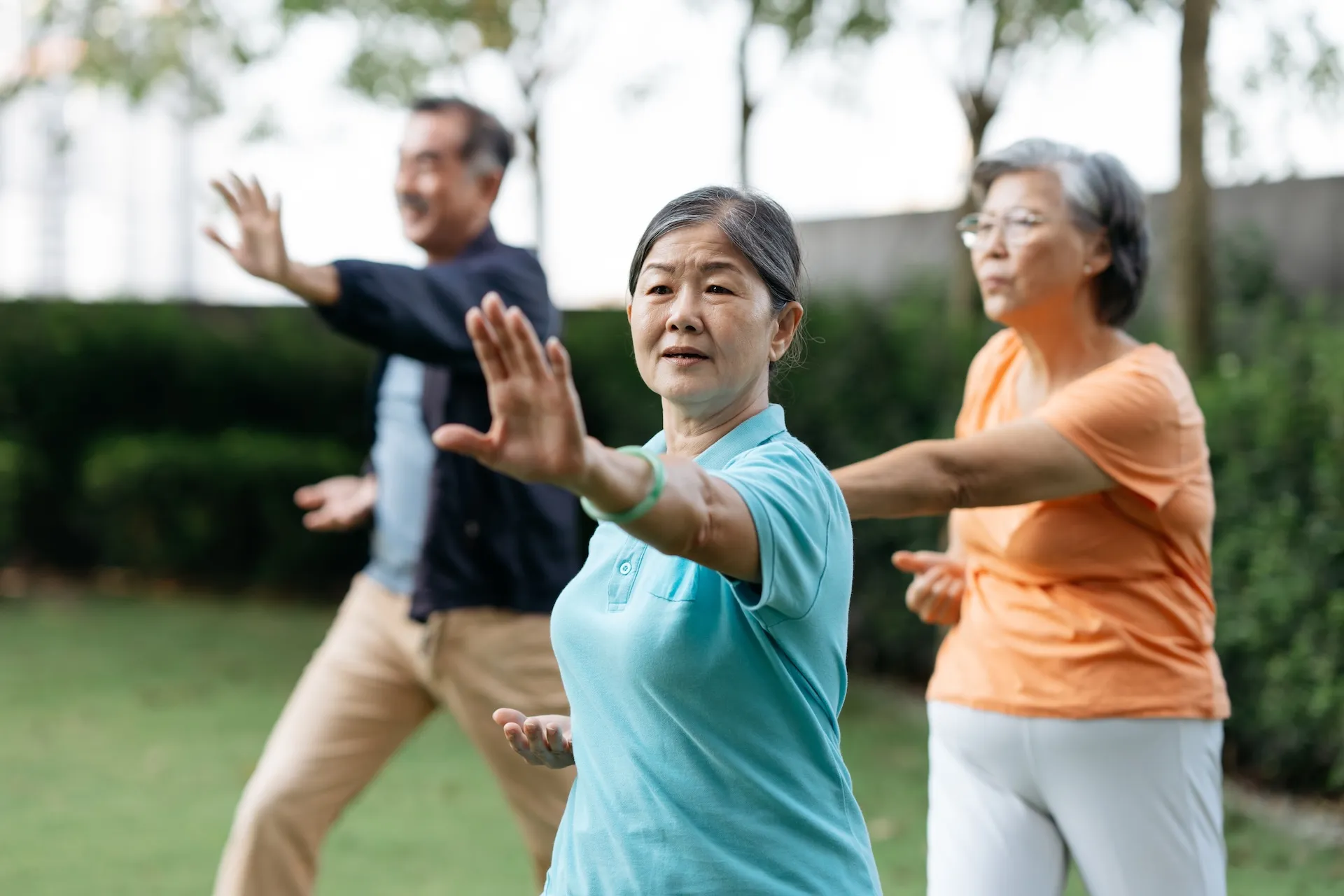
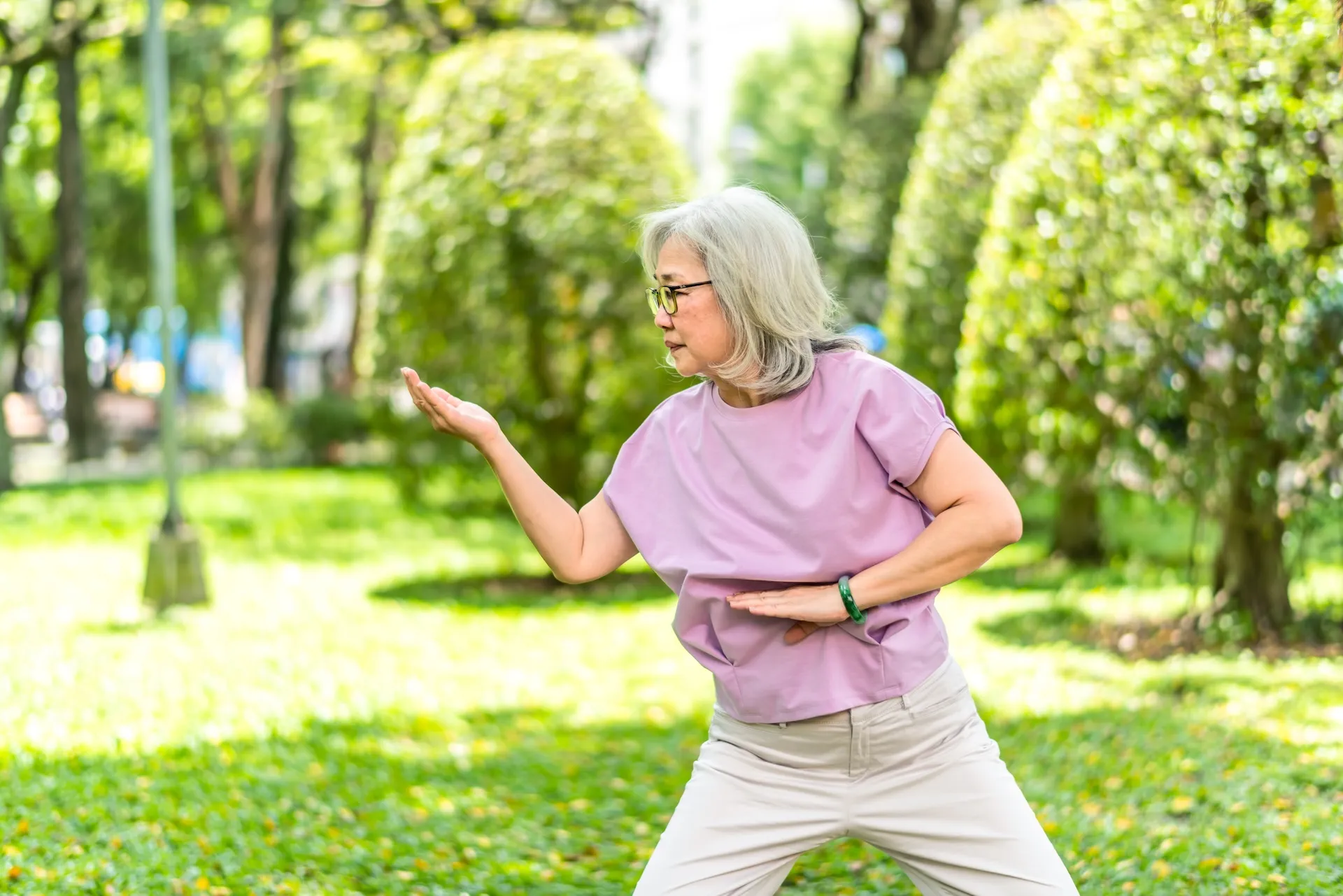
By 2050, around 40% of the entire population in Hong Kong aged 60 or older as estimated by the United Nations. As the ageing population increases, fall is the common cause of fragility fractures. Reducing fall risk - by improving muscle strength, muscle endurance and joint proprioception - may be the key solution in reducing the incidence of fragility fractures especially in elder adults with osteoporosis. Tai Chi has been well reported for improving balance and preventing falls, as it emphasises the coordinated movement of both the upper body torso and the lower limbs to train body balance and equilibrium. However, whether the upper body torso training is more important to the lower limb training, or vice versa is still an open puzzle.
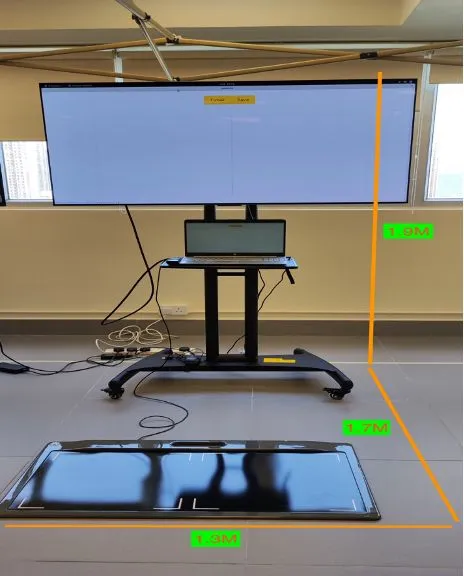
Tai Chi Force Plate is a gerontech product developed recently in Hong Kong for the older adults to give visual feedback and stimulation to train the foot control and lower limb balance. Participants shifts body weight and transfer the centre of gravity from the front of the foot to the medial border, to the posterior border and the lateral border in a continuous and sequential movement. The training helps reduce falls and improve muscle strength and proprioception awareness.
The design of this study is a one-year prospective study aimed at evaluating the training effects of the Force Plate in improving balance and muscle strength and minimising falls. The null hypothesis is that “there is no difference in the training effects in the Force Plate training”. The study outcomes will provide evidence and indication for the future design and set up of the Force Plate training in the community settings. The results will give rehabilitation practitioners and scientists valuable data from Hong Kong to design fall prevention strategies and methodologies.
The Force Plate training programme, consists of 12 sessions (twice a week for 6 weeks), helps participants reduce the risk of falling by building the foot muscle and lower limb strength and balance in the older adults.