
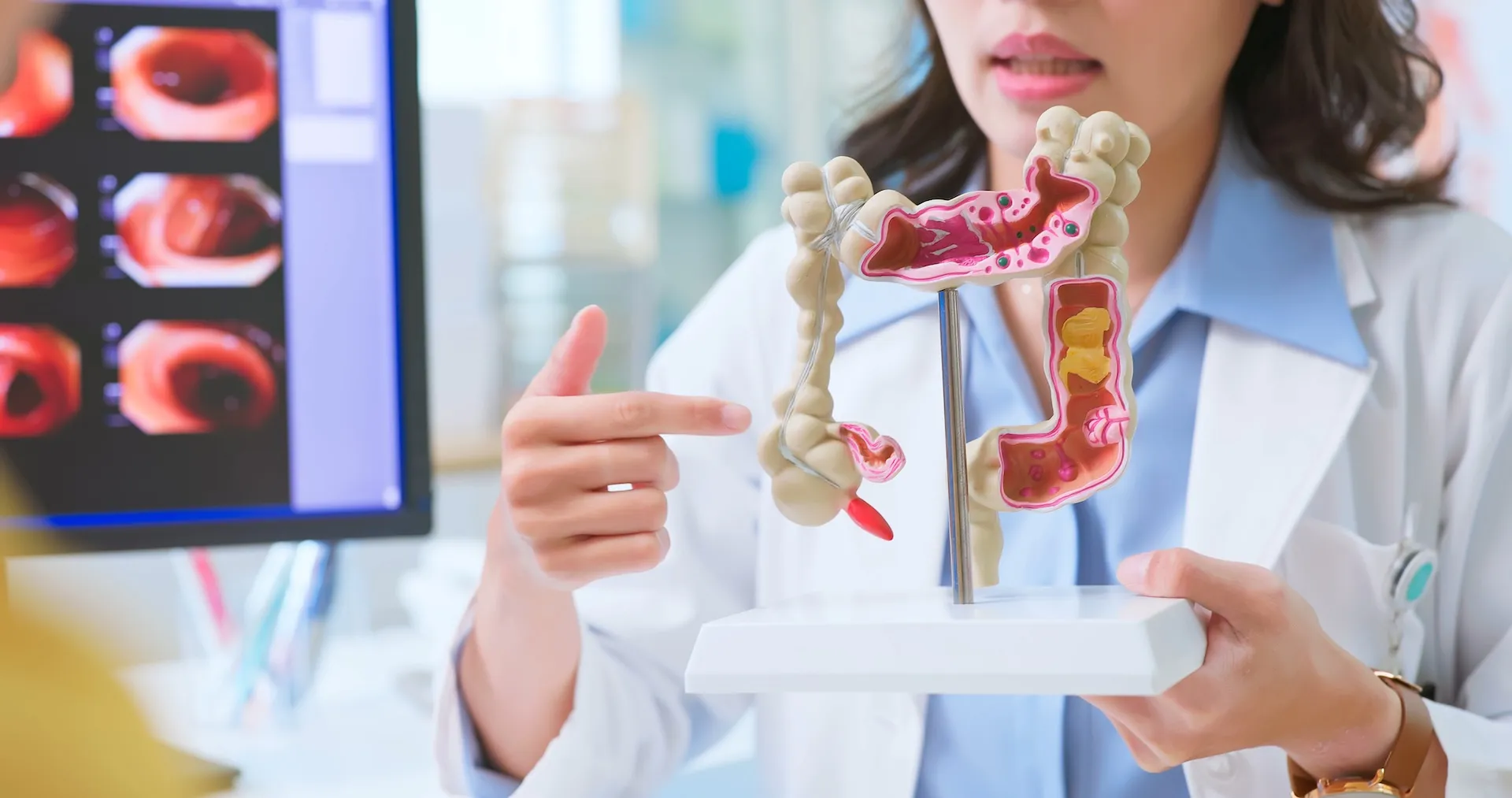
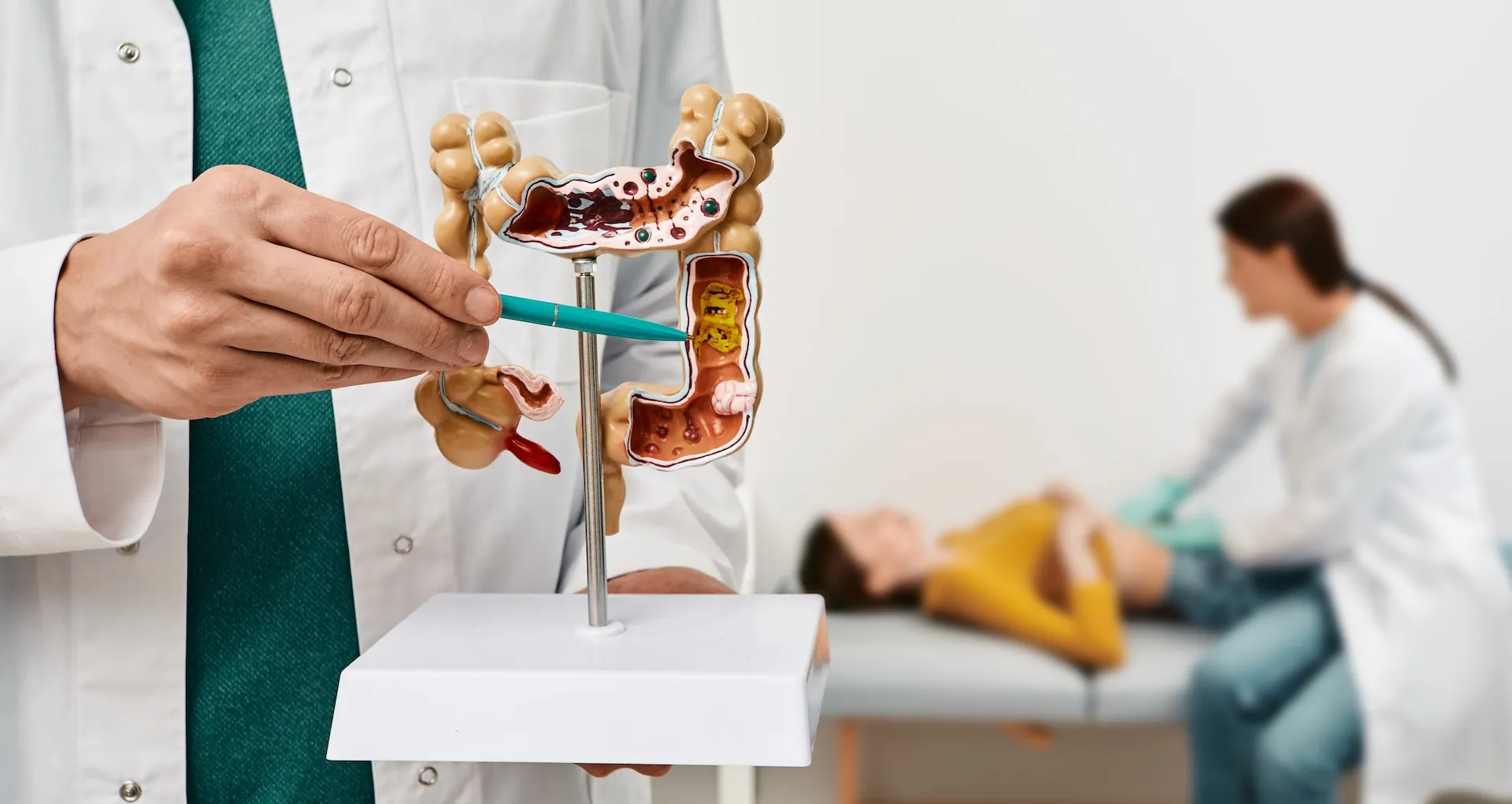
Radiotherapy is central to rectal cancer management, yet many patients live with urinary toxicities and unaddressed psychosocial burdens after treatment. By integrating clinical, dosimetric, and digital health data from three ongoing projects, this programme aims to personalise care for rectal cancer survivors and their caregivers.
Supported by a Health and Medical Research Fund project, Dr Marco Tam is leading a pilot study to quantify radiation-induced urinary toxicities in rectal cancer patients, linking detailed symptom trajectories with treatment parameters to refine dose constraints and follow-up strategies. Two College Research Grants extend this work along the survivorship pathway: one combines genomic and machine-learning analysis of rectal cancer to improve prognosis prediction, while another builds an interdisciplinary smartphone application to help survivors and caregivers manage treatment-related adverse effects and psychosocial needs in daily life.
Together, these studies create a translational pipeline from tumour biology and treatment planning to real-world symptom monitoring and digital self-management support. The long-term goal is to deliver precision radiotherapy that not only controls rectal cancer more effectively but also preserves urinary function, mental wellbeing, and quality of life for patients in Hong Kong and beyond.