
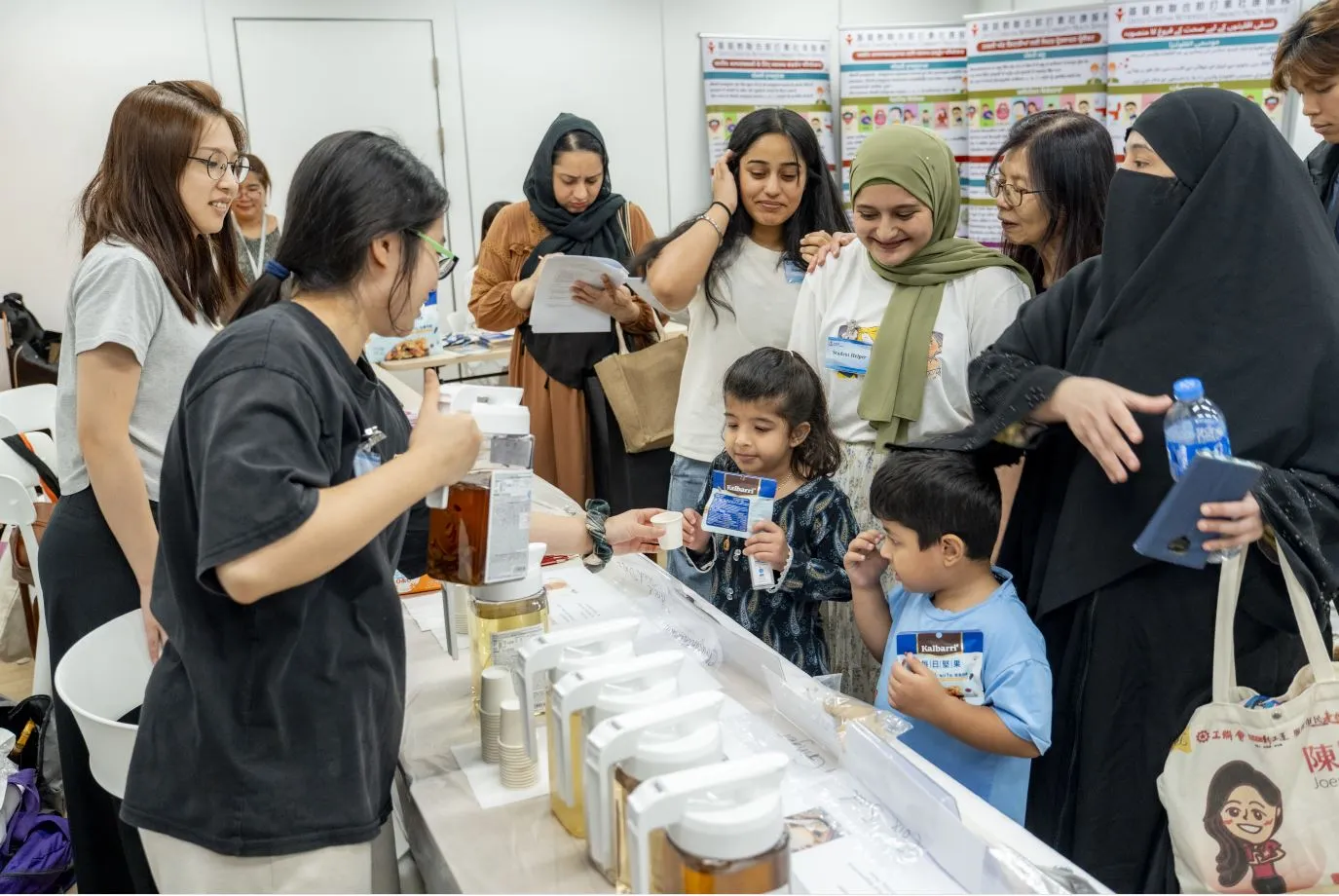
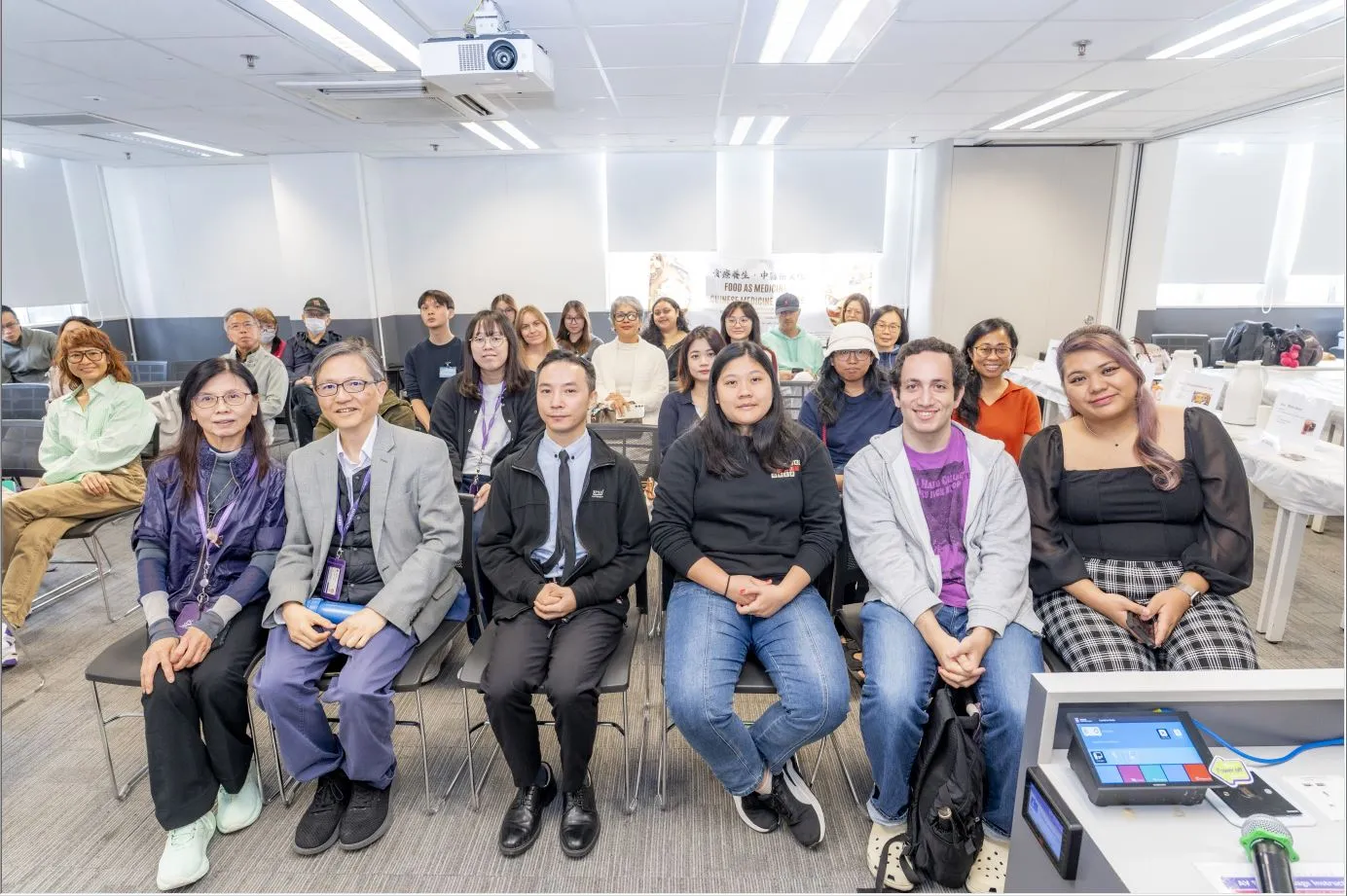
A pilot study by survey was performed to understand the preferences for using Chinese Medicinal Diet (CMD) among diverse populations and to analyse the implications of these preferences, focusing on demographic influences, knowledge of Traditional Chinese Medicine (TCM), and the overall acceptance of CMD practices. Overall, the survey indicated a low preference for TCM and CMD, although some of the respondents were residents born in Hong Kong. Most of them did not have much idea of the herbal aliment of TCM and chose to stay away from it. On the other hand, they did not indicate rejection of TCM as shown by the scores on the trust in the efficacy and safety of TCM and CMD. These findings highlight the need for targeted interventions, including educational resources and professional support, to improve health outcomes and foster greater acceptance of TCM among ethnic minorities, as the growing ethnic minority population presents an increasing demand for healthcare services and culturally sensitive approaches to health education. While traditional Chinese Medicine (TCM) offers a viable pathway for health preservation and chronic disease management, significant gaps in health literacy and cultural understanding remain.
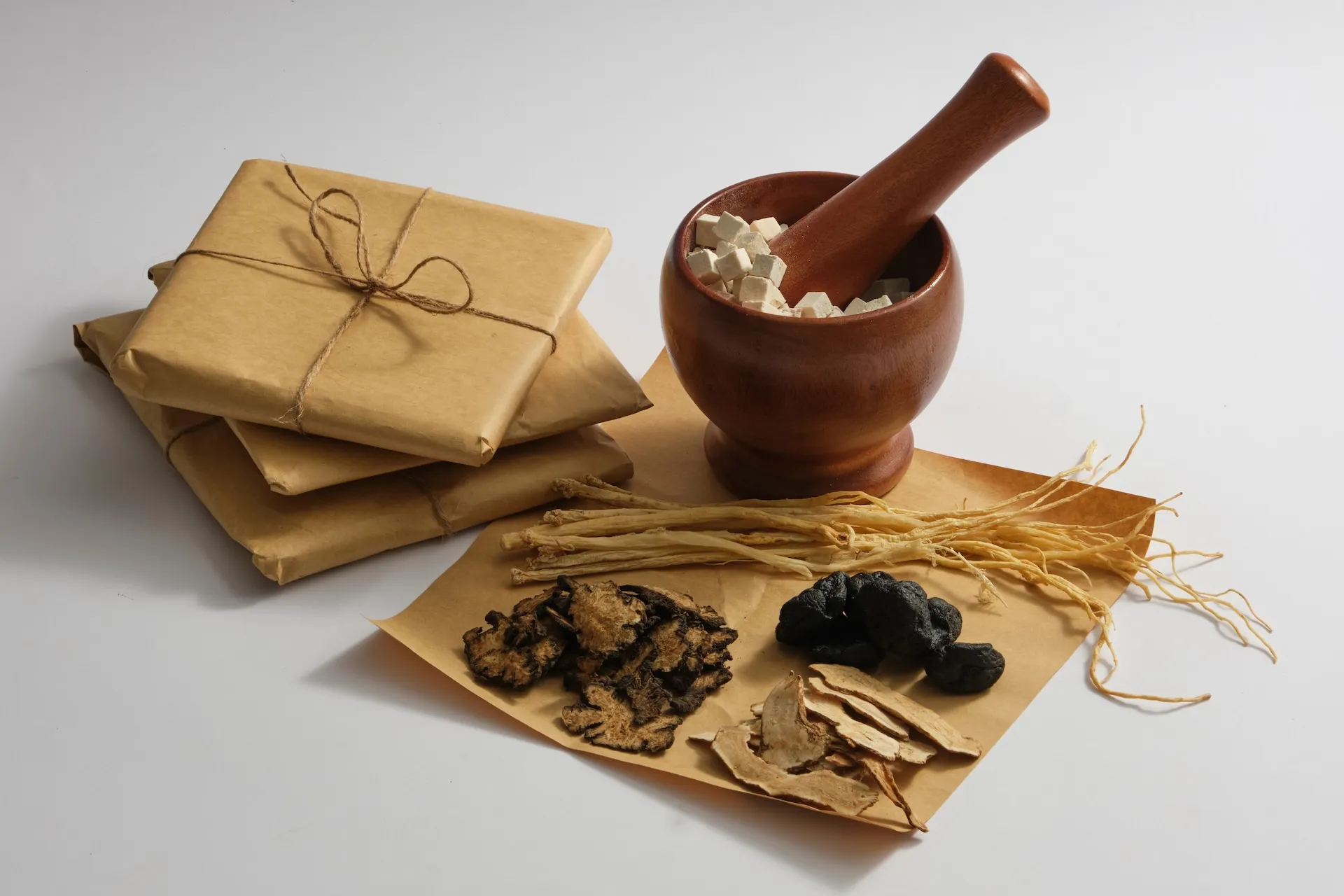
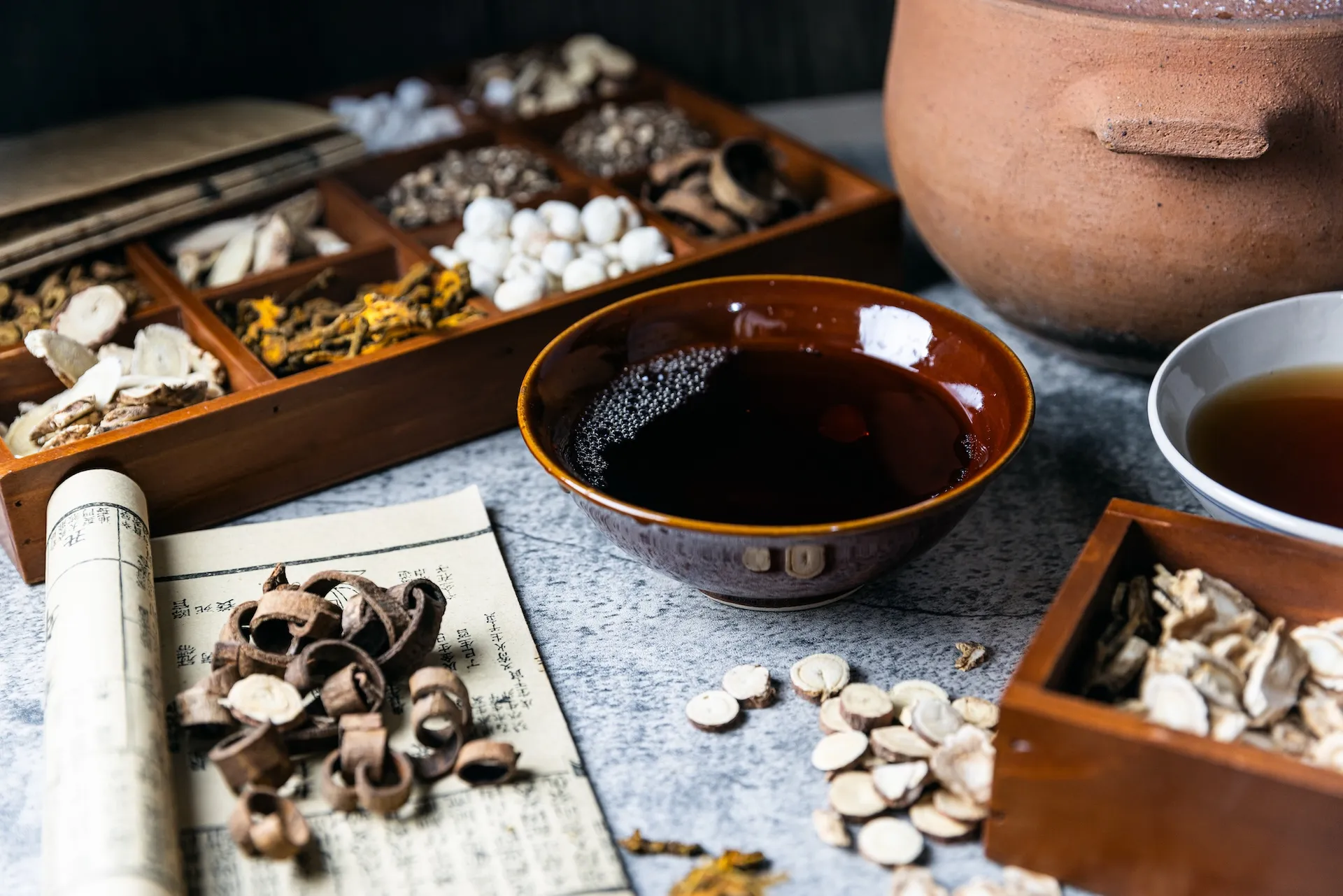
Food & Medicine Homology is one of the core concepts in the traditional Chinese Medicine (TCM) system of health preservation and diagnosis. Fundamentally, it is based on the commonalities of origins of daily food ingredients and traditional Chinese medicinal materials, which share the same nature, flavour, and efficacies. With no differences, both diet and medicine regulate the body, prevent diseases and improve health status. The emphasis on the concept of "food as medicine and medicine comes from food" extends and integrates the preventive concepts of TCM on the menu.
Many of the TCM are frequent household kitchen herbal items such as ginger, an antioxidative, anti-inflammatory and anti-glycating agent, and red dates that support and replenish qi as well as nourish and reduce blood deficiency. Food & medicine homology is preventive, alleviating and improving symptoms of chronic diseases.
Despite cultural differences, spices that enhance taste and aromatise flavours are similar across ethnicities. It was found that the herbs that carry TCM cultures in the kitchens of Chinese households are equally important among ethnic minorities (EM).