
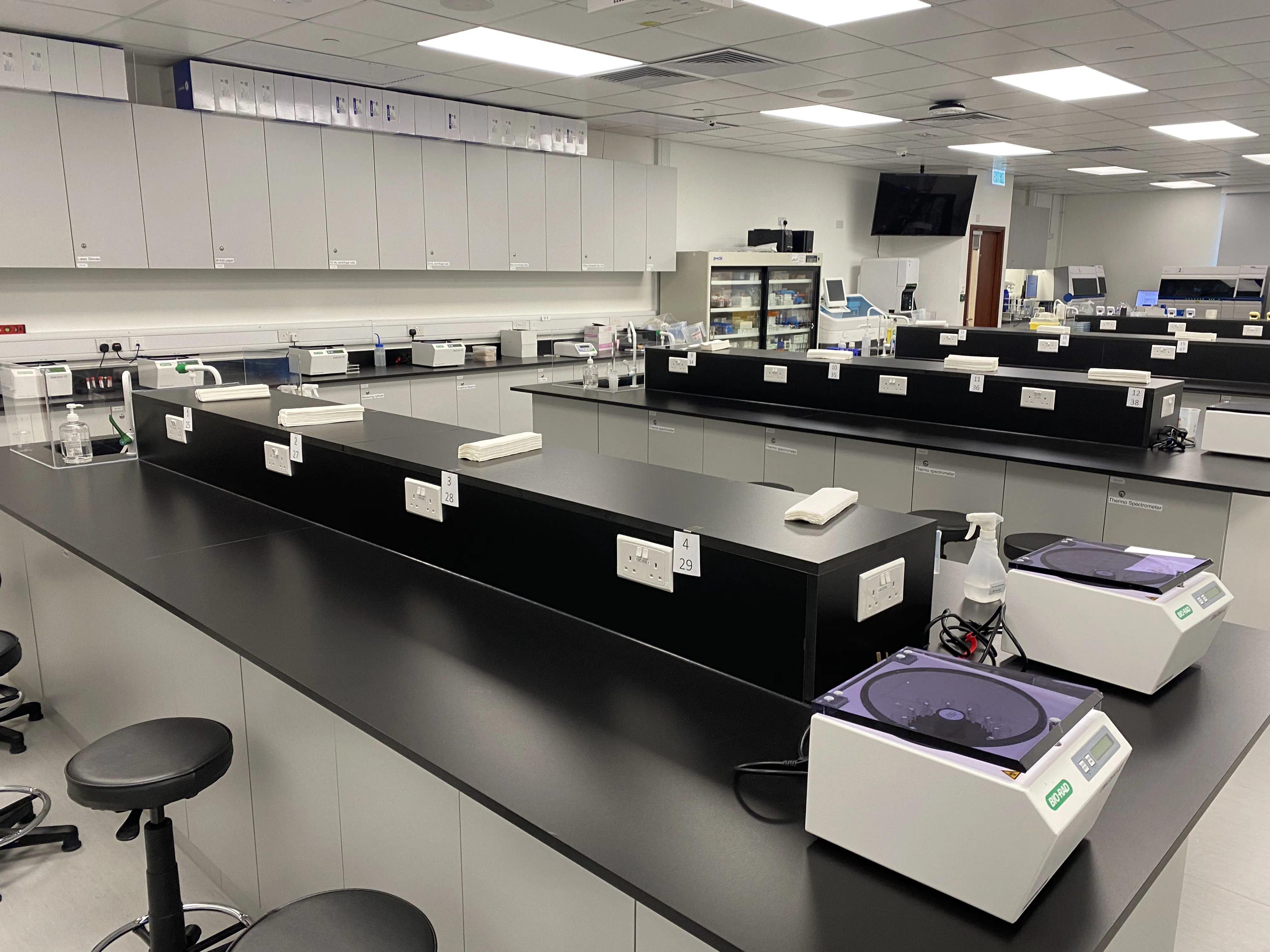
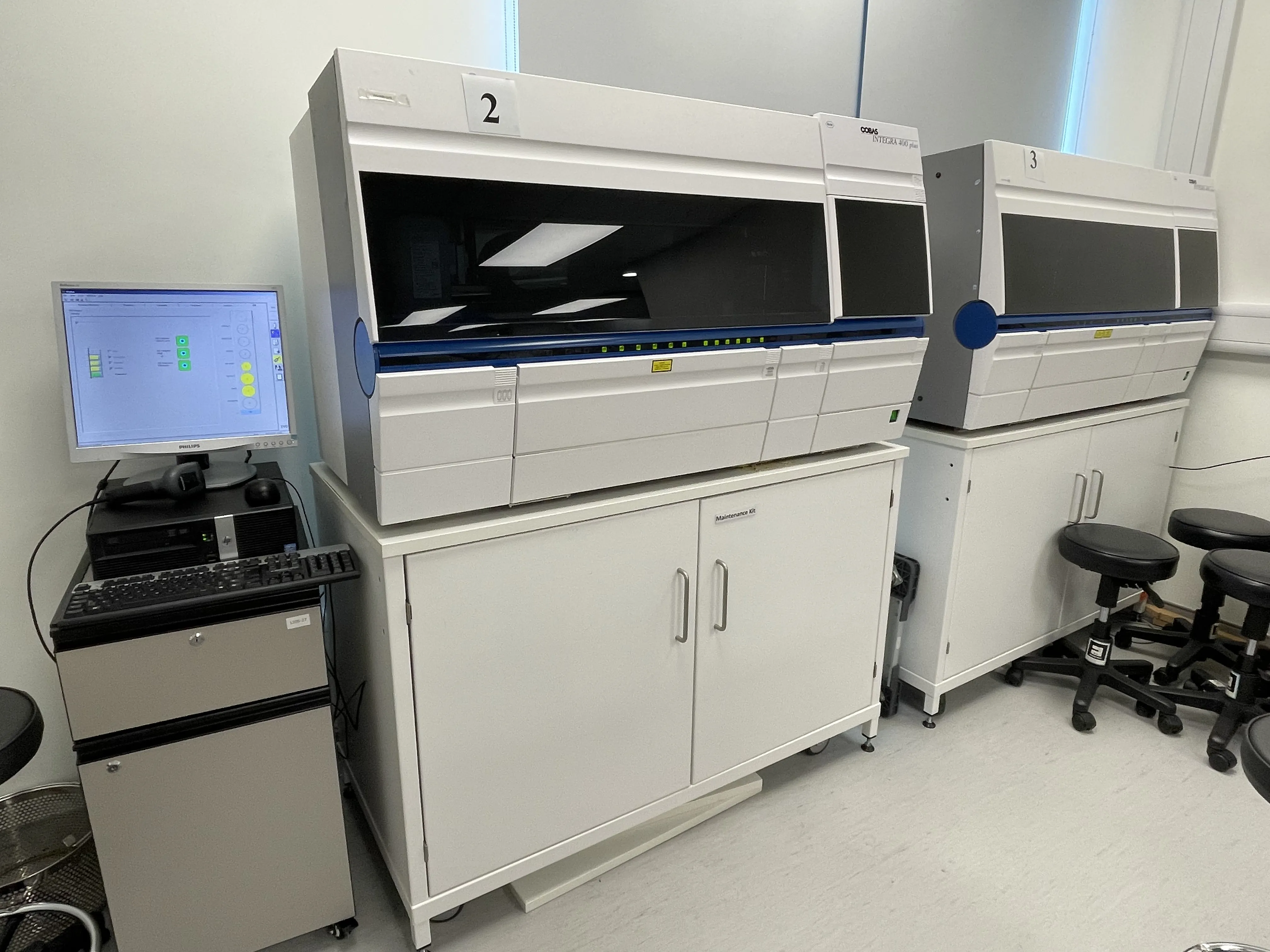
Haematology is a subject dedicated to the study of haematopoiesis (formation of blood cellular components) and blood-related diseases. For example, thalassemia and haemolytic anaemia are examples of red cell disorders; leucopenia (low white blood cell count) and malignant leukaemia are examples of white cell disorders; coagulopathy (bleeding disorder) and thrombosis (blood clots block blood vessels) are disorders caused by the problems in platelets or coagulation factors. Students gain hands-on laboratory training in the haematology laboratory and use a variety of equipment and instruments, such as haemotology analyser and haemostasis analyser.
Clinical Chemistry Laboratory
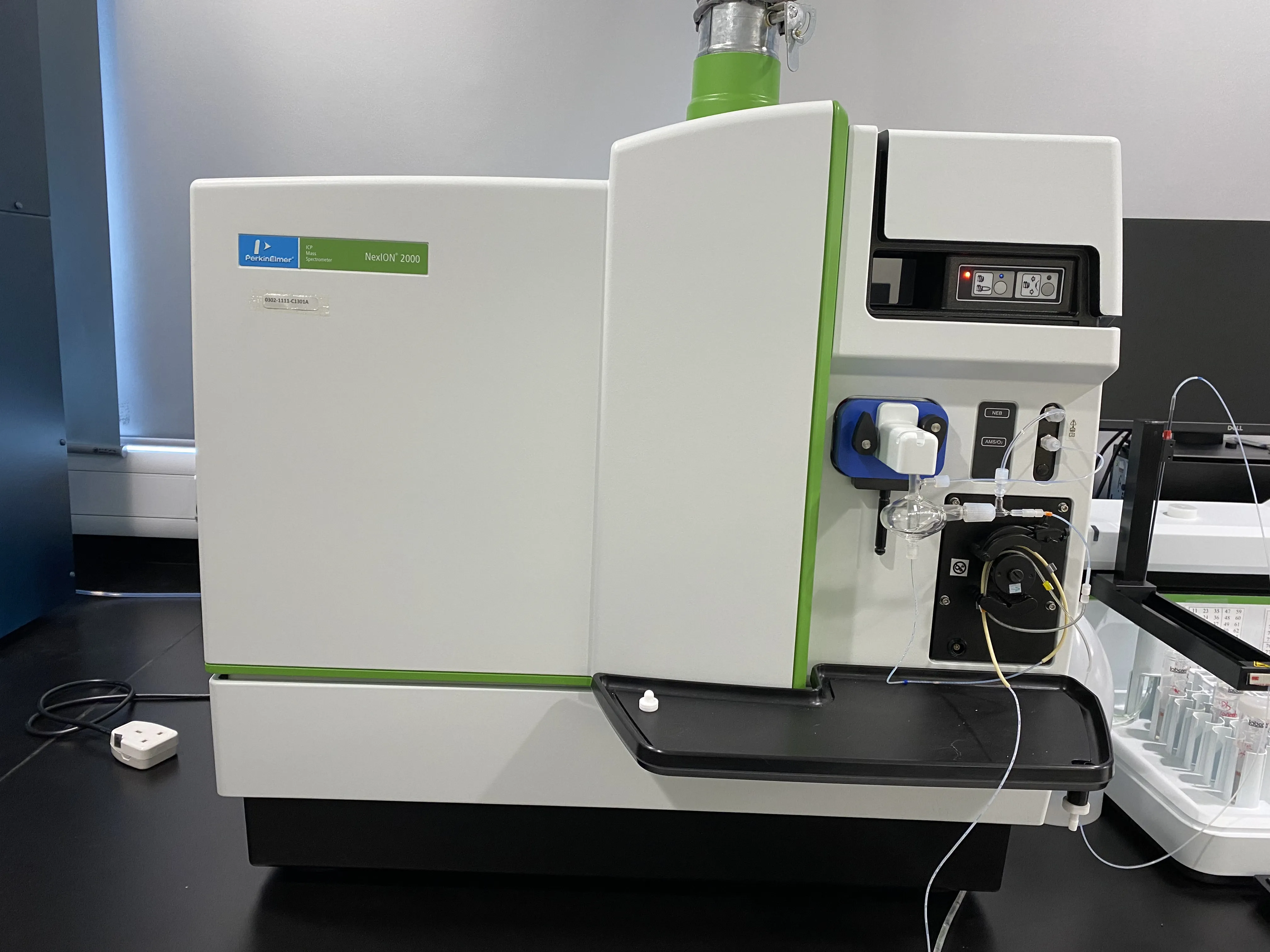
Clinical Chemistry measures the levels of chemical compounds in blood, cerebrospinal fluid, and other body fluid in order to diagnose and treat diseases. It covers various areas of biochemical analysis, such as routine chemistry, endocrinology, toxicology, and therapeutic drug monitoring. Students gain hands-on laboratory training in the Clinical Chemistry Laboratory and use a variety of equipment and instruments; for instance using the Inductively Coupled Plasma Mass Spectrometer to analyse heavy metals in samples.